
Abstract
Poly(propylene carbonate) (PPC), which can be prepared by the alternating copolymerization of propylene oxide (PO) with carbon dioxide (CO2), has attracted considerable attention due to its biodegradability, biocompatibility, oxygen-barrier property, and ion-conductivity. However, there are some inherent disadvantages, such as its low thermal stability and limited mechanical strength. Therefore, combination of PPC with other polymers has been investigated to improve its properties and develop PPC-based polymer materials. In light of this background, we designed the graft copolymer, cellulose acetate-graft-PPC with a cellulose acetate (CA) main chain and PPC side chains. CA is a high-performance thermoplastic with excellent mechanical strength as well as biodegradability. Therefore, CA-graft-PPC would be endowed with complementary properties derived from both components. The designed graft copolymer was synthesized via a grafting-to approach. First, the PPC with a terminal alkynyl group (PPC–CCH) was synthesized by the immortal PO/CO2 alternating copolymerization using 4-ethynylbenzoic acid as a chain transfer agent (CTA). PPC–C?CH with number-average molecular weight (Mn) of 3,900–36,600 was successfully obtained by changing the monomer and CTA feed ratios. Then, the resulting PPC–CCH was grafted onto CA through copper-catalyzed azide–alkyne cycloaddition (CuAAC). The reaction of PPC–CCH (Mn = 5,600, 7,000, 15,600, or 36,600) with azide-functionalized CA (the degree of substitution of CA by azide groups = 0.156 or 0.248) successfully proceeded with CuBr/Cu as catalysts, affording the desired CA-graft-PPC with the degree of substitution of CA by PPC of 0.149–0.235. The resulting graft copolymers exhibit higher thermal decomposition temperature compared with PPC.
Keywords: carbon dioxide, cellulose acetate, click reaction, graft copolymer, poly(propylene carbonate)
Outline
1. Introduction
The alternating copolymerization of epoxides with carbon dioxide (CO2) has gained a continuous interest since the first report in 19691) because it can utilize abundant, renewable, and non-toxic CO2 as a raw material2,3). Extensive efforts have been devoted to the development of catalyst systems with enhanced activity4-6) as well as improved selectivity toward either polycarbonates or cyclic carbonates7-9). Recent reviews have also highlighted emerging trends in epoxide/CO2 copolymerization, including bimetallic catalytic systems and boron-based organocatalysts10-12). These advances have expanded the monomer scope of the copolymerization13,14) and diversified the structures and functionalities of the resulting polycarbonates15-17).
A wide range of epoxides have been employed in the copolymerization, affording the corresponding aliphatic polycarbonates. Poly(propylene carbonate) (PPC) is a prototypical aliphatic polycarbonate obtained by using propylene oxide18,19). PPC shows attractive properties, such as biodegradability20,21), biocompatibility22,23), oxygen-barrier property24), and ion-conductivity25-27). Owing to these properties, PPC finds its potential applications in adhesives, packaging, polymer electrolyte, and biomedical field. However, PPC has some inherent disadvantages, including relatively low thermostability and poor mechanical property. Therefore, considerable efforts have been made to enhance its properties and broaden its applications.
Combination of PPC with other polymers seems to be a promising avenue to modify and enrich PPC’s properties. Polymer blending has been frequently employed to achieve physical modification of PPC28,29). A variety of polymer blends have been investigated by using starch30), starch derivatives31-34), cellulose35-37), poly(butylene succinate)38-40), poly(lactic acid)41-44), thermoplastic polyurethane45,46), poly(methyl methacrylate) (PMMA)47-49), and so on50-52). The effects of additives, such as succinic anhydride53,54), polymeric materials55-57), plant oil-derived compounds58-60), and corn stover61), on the miscibility and mechanical properties of these polymer blends have also been widely investigated. Furthermore, the use of additives to introduce specific functionalities into polymer blends has also been studied62,63). Block and graft copolymer approaches have also been studied to improve the properties of CO2-derived aliphatic polycarbonates64,65). For instance, several research groups, including ours, reported the synthesis of PPC-based block copolymers containing poly(cyclohexene carbonate)66), PMMA67,68), polystyrene67-69), poly(vinyl acetate)70), polyester71-73), poly(amino acid)74), and polycycloalkene75,76) blocks. Graft copolymers with PPC chains have been also investigated. Honda and Sugimoto reported the synthesis of the brush polymer with PPC side chains through the PO/CO2 copolymerization using poly(acrylic acid) as a macroinitiator77). Graft copolymers with a PPC main chains have also been synthesized by controlled radical polymerization of styrene and methacrylate monomers78-80).
Cellulose is the most abundant polysaccharide on earth. Owing to attractive properties including biocompatibility, biodegradability, high strength, and high thermal stability, cellulose and its derivatives have been applied in various fields81). Despite these advantages, cellulose also has certain limitations such as poor solubility (in both organic and aqueous solvents), poor crease resistance, low dimensional stability, and lack of thermoplasticity. Therefore, chemical modification of cellulose has been developed to extend its range of industrial applications82,83). Among the previously reported strategies, the polymer grafting has been considered as one of the most effective approaches to modify the chemical and physical properties of cellulose and to increase its functionality84,85). For instance, “grafting-from86,87) and “grafting-on88) methods have been applied to synthesize cellulose-based graft copolymers with vinyl polymer, polyester, and polyether side chains.
In this context, we report herein the preparation of the graft copolymer consisting of a cellulose acetate (CA) main chain and PPC side chains. We anticipated that the graft copolymer exhibits complementary advantages derived from both PPC and CA. The PPC with an alkynyl terminal group (PPC–CCH) were designed to graft the PPC chain onto CA by copper-catalyzed azide–alkyne cycloaddition (CuAAC), one of the most widely used click reactions89-92). PPC–CCH was successfully prepared by immortal copolymerization of PO with CO2 in the presence of 4-ethynylbenzoic acid as a chain transfer agent. The CuAAC between PPC–CCH and azide-functionalized CA (CA–N3) was found to afford the target graft copolymer. The resulting graft copolymer shows higher thermal properties compared to PPC.
2. Materials and Methods
2.1. Materials
All chemicals and solvents used for preparing cobalt complexes and polymers were purchased from commercial suppliers, such as Kanto Chemical Co., Inc., Tokyo Chemical Industry Co., Ltd., and Sigma-Aldrich Co. LLC and used without further purification unless otherwise specified. Carbon dioxide (>99.990%) was purchased from Showa Denko Gas Products Co., LTD. Propylene oxide was dried over CaH2 and distilled under argon. Cobalt complex 1 and 4-ethynylbenzoic acid were prepared according to the literature93-95).
NMR spectra were recorded in CDCl3 on a JEOLECX400 spectrometer. Chemical shifts are reported in ppm relative to the internal standard signal (0 ppm for Me4Si in CDCl3). Size-exclusion-chromatography (SEC) analyses for estimating molecular weight were carried with two columns (Shodex K-804L) using chloroform as an eluent at 40 °C at 1 mL/min. The molecular weight was calibrated against standard polystyrene samples. Matrix-assisted laser desorption/ionization time-of-flight (MALDI–TOF) mass spectra are taken with Bruker Daltonics Autoflex Speed mass spectrometer. Samples were prepared by mixing the copolymer (5 mg/mL in THF), a matrix (2-[(2E)-3-(4-tert-butylphenyl)-2-methylpropenylidene]malononitrile (DCTB), 10 mg/mL in THF), and a cationizing agent (sodium trifluoroacetate, 0.10 M) in the weight ratio of 5/5/196). Thermogravimetric analysis (TGA) was performed on a Rigaku Thermo plus EVO2 apparatus. Differential scanning calorimetry (DSC) measurements were performed on a SII DSC−6000 apparatus. Heating rate in the second heating run was 10 °C per minute.
2.2. Methods
2.2.1. Preparation of [Ph3P=N=PPh3]Z (Z = 4-ethynylbenzoate)
The titled compound was synthesized following the method described in the literature93). A 100-mL round-bottomed flask was charged with NaOH (0.15 g, 3.8 mmol), 4-ethynylbenzoic acid (0.46 g, 3.1 mmol) and distilled H2O (13 mL). The mixture was stirred until all solid materials were dissolved. After adding [Ph3P=N=PPh3]Cl (0.30 g, 0.53 mmol) and CH2Cl2 (30 mL), the resulting mixture was stirred for 15 min. The organic layer was separated, and then NaOH (0.15 g, 3.7 mmol) and 4-ethynylbenzoic acid (0.46 g, 3.1 mmol) were added to the
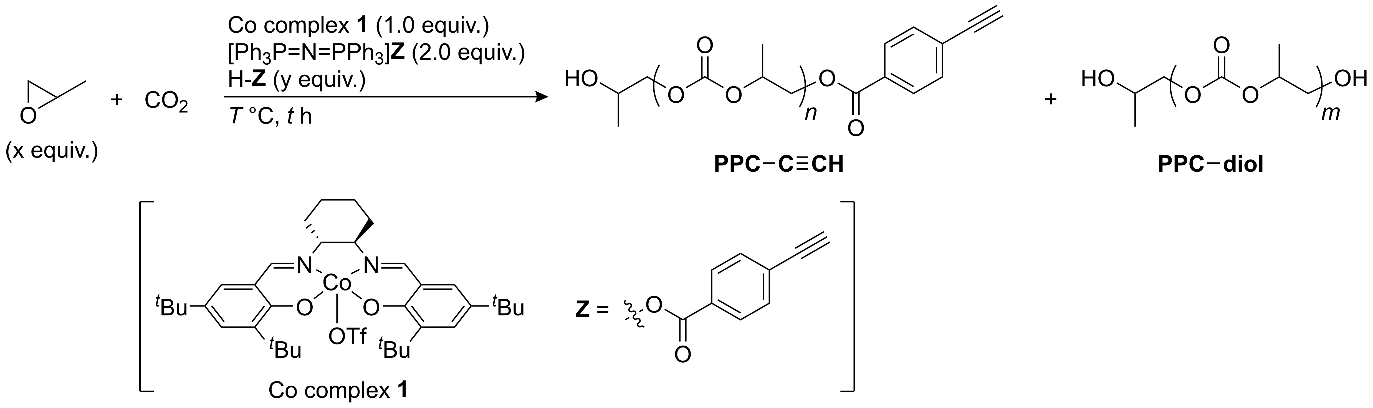
Table 1: Copolymerization conditions and results for the synthesis of alkynyl-terminated PPCa
| entry | x (equiv.) (equiv.) (equiv.) | y (equiv.) | CO2 (MPa) | T (°C) | t (h) | yield (%) | Mn | Mw/Mn |
|---|---|---|---|---|---|---|---|---|
| 1 | 2,000 | 10 | 1.5 | 25 | 5 | 71 | 7,900 | 1.16 |
| 2 | 2,000 | 15 | 1.5 | 25 | 5 | 56 | 6,900 | 1.13 |
| 3 | 2,000 | 20 | 1.5 | 25 | 5 | 63 | 5,700 | 1.12 |
| 4 | 2,000 | 40 | 1.5 | 25 | 24 | 55 | 3,900 | 1.13 |
| 5 | 4,000 | 20 | 2.9 | 30 | 24 | 93 | 15,600 | 1.13 |
| 6 | 16,000 | 20 | 2.5 | 30 | 24 | 47 | 36,600 | 1.22 |
aEach entry represents the result of a single experiment.
organic layer. The resulting mixture was stirred for 15 min and concentrated under reduced pressure. The resulting oily material was dissolved in CH2Cl2, and the solution was poured into diethyl ether under argon at −20 °C. The resulting precipitation was collected by filtration and dried under reduced pressure to afforded [Ph3P=N=PPh3]Z as a colorless solid (0.32 g, 89%): 1H NMR (400 MHz, CDCl3) δ 8.14 (d, J = 8.2, 2H), 7.68–7.63 (m, 6H), 7.49–7.40 (m, 24H), 7.36 (d, J = 8.2 Hz, 2H).
2.2.2. Representative procedure for the PO/CO2 alternating copolymerization (Table 1, entry 2)
A 50-mL autoclave was charged with propylene oxide (2.0 mL, 29 mmol), cobalt complex 1 (11 mg, 14 μmol), [Ph3P=N=PPh3]Z (21 mg, 30 μmol), and 4-ethynylbenzoic acid (32 mg, 0.22 mmol) under argon atmosphere. After CO2 (1.5 MPa) was introduced, the reaction mixture was stirred at 25 °C for 5 h. The CO2 pressure was released, and then the polymerization mixture was diluted with CHCl3. The reaction was quenched with MeOH/aqueous HCl. To the resulting mixture was added phenanthrene as an internal standard. After dissolving phenanthrene with stirring, a small aliquot of the resulting mixture was picked up, concentrated under reduced pressure, and analyzed by 1H NMR spectroscopy to determine the NMR yield of the copolymer [comparison of signal area ratio of – CH(CH3)CH2– of PPC–CCH and Ar-H of phenanthrene]. The remaining solution was concentrated under reduced pressure. The crude residue was dissolved in CHCl3, and the resulting solution was poured into MeOH to precipitate the copolymer. The resulting precipitate was collected and dried under reduced pressure to give PPC–CCH (1.5 g, 56% yield). The resulting PPC–CCH was analyzed by SEC and MALDI–TOF MS. The amount of the terminal alkynyl group per unit weight of the obtained PPC–CCH was estimated by 1H NMR spectrum of PPC–CCH with phenanthrene as an internal standard.
2.2.3. Preparation of azide-functionalized CA (CA–N3)
CA–N3 was prepared according to the literature97). CA with a molecular weight of approximately 40,000 and DCacetyl of 2.44, which was purchased from FUJIFILM Wako Pure Chemical Corporation, was used. The degree of substitution of CA by azide groups (DSazide) was estimated based on 1H NMR data of the resulting CA–N3 according the literature97).
2.2.4. Representative procedure for grafting of CA–N3 with PPC–CCH (CA-graft-PPC)
A 200-mL three-necked flask was charged with CA–N3 (0.50 g, corresponding to 1.8 mmol of glycosidic rings and 0.28 mmol of azide groups), PPC–CCH (3.2 g, 0.34 mmol of a terminal alkyne group), and DMSO (30 mL) under argon atmosphere. The resulting mixture was degassed by three freeze-pump-thaw cycles. To the mixture was added CuBr (45 mg, 0.31 mmol) and copper powder (12 mg, 0.19 mmol) under argon atmosphere, and the resulting mixture was stirred for 24 h at room temperature. The reaction mixture was poured into ethanol containing PMDETA (0.58 mL, 2.8 mmol) to give the crude residue. The resulting crude residue was dissolved in CHCl3, and the resulting solution was poured into EtOH. This reprecipitation procedure was performed one more to give CA-graft-PPC-1. Then, the obtained CA-graft-PPC-1 was dissolved in CHCl3, and the resulting solution was poured into toluene. This reprecipitation procedure was conducted two more times. The resulting precipitate was collected and dried under reduced pressure to give CA-graft-PPC-2 (1.6 g). The obtained CA-graft-PPC-2 was analyzed by 1H NMR spectroscopy, SEC, DSC, and TGA. The degree of substitution of CA by the PPC grafts (DSPPC) was calculated from equation (1),
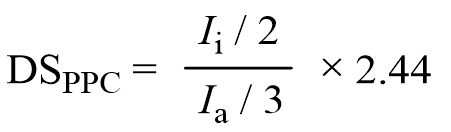
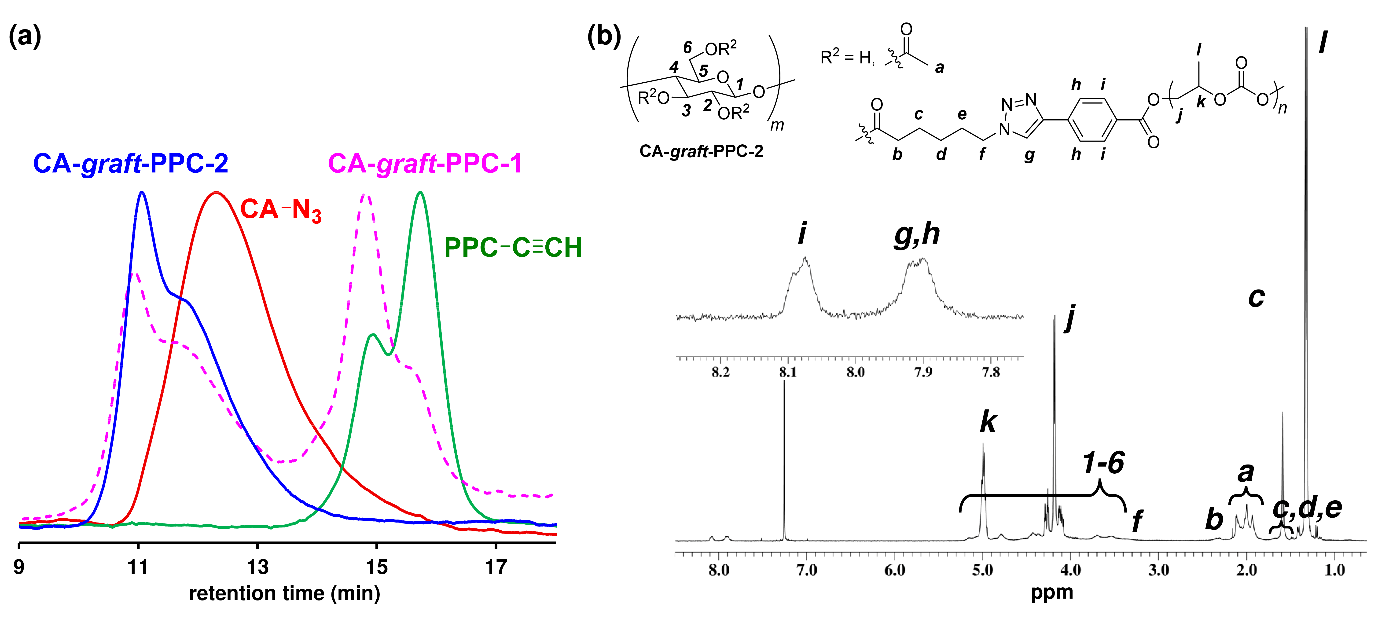
where Ii was the area of the signal corresponding to Hi (the benzoate unit from PPC) and Ia was the area of the signal corresponding to Ha (the acetyl group on CA) (Figure 4b).
3. Results and Discussion
3.1. Preparation of PPC with an alkynyl terminal group
In order to prepare the PPC with alkynyl terminal group (PPC–CCH), the copolymerization of propylene oxide (PO) with CO2 (1.5 MPa) was carried out with cobalt complex 198) in the presence of [Ph3P=N=PPh3]Z (Z = 4-ethynylbenzoate) as a co-catalyst (2.0 equivalents to 1) and 4-ethynylbenzoic acid as a chain transfer agent (CTA) (Figure 1).
The triflate anion on the cobalt center of 1 is not expected to initiate the copolymerization owing to its low nucleophilicity. Therefore, we anticipated that the 4-ethynylbenzoate anion from the co-catalyst and CTA initiate the copolymerization to afford the desired PPC–C≡CH selectively. The PO/CO2 copolymerization results are summarized in Table 1. When using 2,000 equivalents of PO and 10 equivalents of 4-ethynylbenzoic acid to 1 (25 °C, 5 h), the PPC was obtained in 71% yield (entry 1). Increase in the amount of 4-ethynylbenzoic acid gave the PPC with lower molecular weight while maintaining narrow molecular-weight distribution (entries 2–4). These results strongly suggest that immortal polymerization proceeded efficiently99-101). A higher PO feed ratio gave PPC with a higher molecular weight (entries 5 and 6).
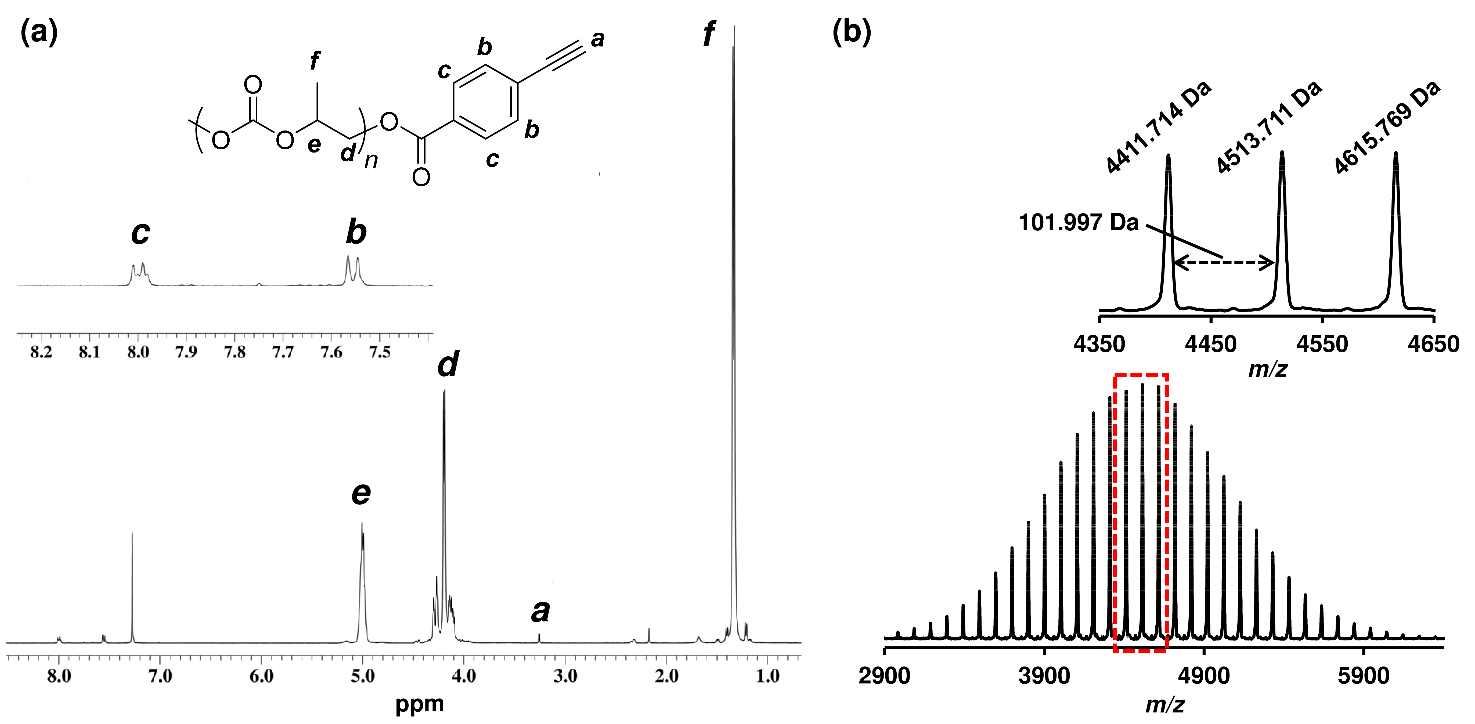
The ¹H NMR spectrum of the PPC samples recovered from the polymerization solution by reprecipitation shows that the resulting PPC does not contain the ether linkage. Therefore, the copolymerization proceeded in an almost completely alternating manner. In addition, characteristic signals corresponding to the aromatic protons of the 4-ethynylbonzoate terminal group (8.0 and 7.5 ppm) are observed in the ¹H NMR spectrum of the purified PPC (Figure 2a; signal a (3.26 ppm for the terminal ethynyl proton, signals b (7.56 ppm) and c (8.0 ppm) for the aromatic protons of the terminal 4-ethynylbenzoate group, signal d (4.3–4.1 ppm) for the methylene protons of PPC, signal e (5.1 ppm) for the methine proton of PPC, and signal f (1.34 ppm) for the methyl protons of PPC). In the MALDI–TOF mass spectrum of the resulting PPC, a series of signals with a regular interval of 102.0 (repeating unit) were observed (Figure 2b). The m/z value of each signal corresponds with [145.0 (4-ethynylbenzoate, initiating group) + 102.0n (repeating unit) + 59.1 (CH2CHMeOH, terminal group) + 23.0 (Na+ ion)]. These NMR and mass data clearly indicate the formation of the desired PPC–CCH. The SEC trace of the obtained PPC was found to be bimodal. The lower- and higher-molecular-weight portions correspond to PPC–CCH and PPC–diol (PPC with hydroxy groups at both chain ends), respectively. PPC–diol99) is known to form via the chain transfer to water contaminants followed by subsequent copolymerization. Because PPC–diol does not possess an alkynyl terminal group, it cannot undergo the CuAAC and is not expected to interfere with it. Therefore, we used the mixture of PPC–CCH and PPC–diol without further purification in the next grafting step.
3.2. Grafting of PPC onto CA
With PPC–CCH in hand, we investigated the grafting of PPC onto CA (Figure 3 and Table 2). First, we conducted CuAAC between the azide-functionalized CA (CA–N3) with DSazide of 0.156 and PPC with Mn of 7,000 (a mixture of PPC–CCH and PPC–diol) in the presence of CuBr and Cu as catalysts (Table 2, entry 1). The amount of the alkynyl group was set to 1.2 equivalents relative to the azide groups. The reaction product was preliminarily purified by reprecipitation using ethanol as a poor solvent. The SEC analysis of the resulting precipitate (CA-graft-PPC-1) revealed that CA-graft-PPC-1 contained higher-molecular-weight components compared to the parent CA–N3 and PPC–CCH as well as unreacted PPC, indicating successful grafting (Figure 4a). Therefore, CA-graft-PPC-1 was further purified by reprecipitation with toluene as a poor solvent. The SEC trace of the resulting precipitate (CA-graft-PPC-2) demonstrated the complete removal of the parent PPC. The ¹H NMR spectrum of CA-graft-PPC-2 showed the typical signals assigned to PPC and CA, especially those at 5.0 ppm from the methine proton of PPC and those around 2.0 ppm from acetyl group of CA (Figure 4b; signal a (2.1–1.9 ppm) for the acetyl protons of the CA segment, broad signals b (2.4–2.3 ppm), c, d, e (1.7–1.5 ppm), and f (3.3 ppm) for the methylene protons between the triazine and carbonyl group, signal g (7.92 ppm) for the aromatic proton of the triazine group, signals h (7.9 ppm) and I (8.09 ppm) for aromatic protons of the benzoate group, signal j (4.3–4.1 ppm) for the methylene protons of PPC, signal k (5.1 ppm) for the methine proton to PPC, signal l (1.34 ppm) for the methyl protons of PPC, and broad signals 1–6 (5.2–3.4 ppm) for the protons on the sugar moieties). In addition, the covalent linkage of PPC onto CA was confirmed by the appearance of the triazole signals at 7.9 ppm and the lower-field shift of phenylene protons of the benzoate unit. These results clearly indicate the formation of the desired graft copolymer. The DSPPC was estimated to be 0.154 from the ¹H NMR data. Therefore, the CuAAC enabled an almost quantitative grafting rate (>99%). The CuAAC-mediated grafting by using PPC–CCH with lower and higher molecular weight (Mn = 5,600, 15,600 or 36,600) and CA–N3 with higher DSazide (0.248) also proceeded efficiently to yield the corresponding CA-graft-PPC (Table 2, entries 2–5). Within the scope of our experiments, the grafting rate, that is the efficiency of the CuAAC tends to be almost independent on the PPC molecular weight and DSazide of CA.
3.3. Thermal degradation properties of CA-graft-PPC
Thermal degradation property of the resulting graft copolymers was evaluated by TGA. The weight loss observed around 100 °C is considered to be due to residual water that could not be completely removed. Each CA-graft-PPC showed two-stage thermal decomposition (Figure 5). The first-stage decomposition started at ≈250 C, which would be attributed to thermal degradation of the PPC side chain. It should be noted that the first-stage decomposition temperatures are slightly higher (15–20 °C) than that of the parent PPC. In the literature, intermolecular hydrogen-bonding is indicated to form between the
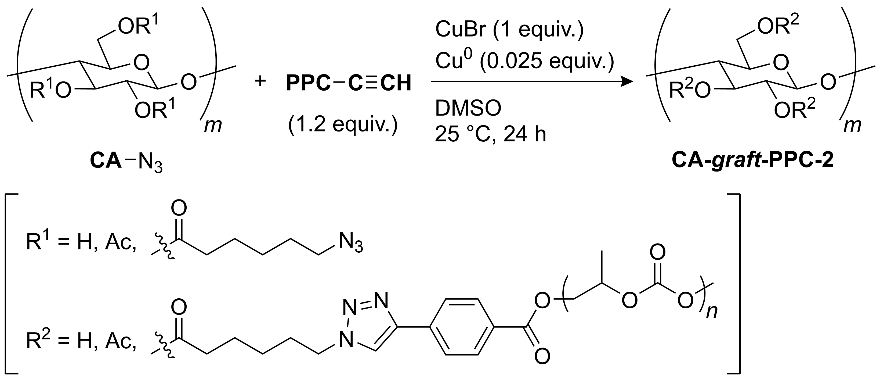
Table 2: Results of CuAAC between CA–N3 and PPC–CCHa
| entry | DSazide | Mn (PPC) | DSPPC | grafting rate (%) |
|---|---|---|---|---|
| 1 | 0.156 | 7,000 | 0.154 | >99 |
| 2 | 0.156 | 15,600 | 0.155 | >99 |
| 3 | 0.248 | 15,600 | 0.235 | 99 |
| 4 | 0.156 | 5,600 | 0.152 | 97 |
| 5 | 0.156 | 36,600 | 0.149 | 96 |
aEach entry represents the result of a single experiment.
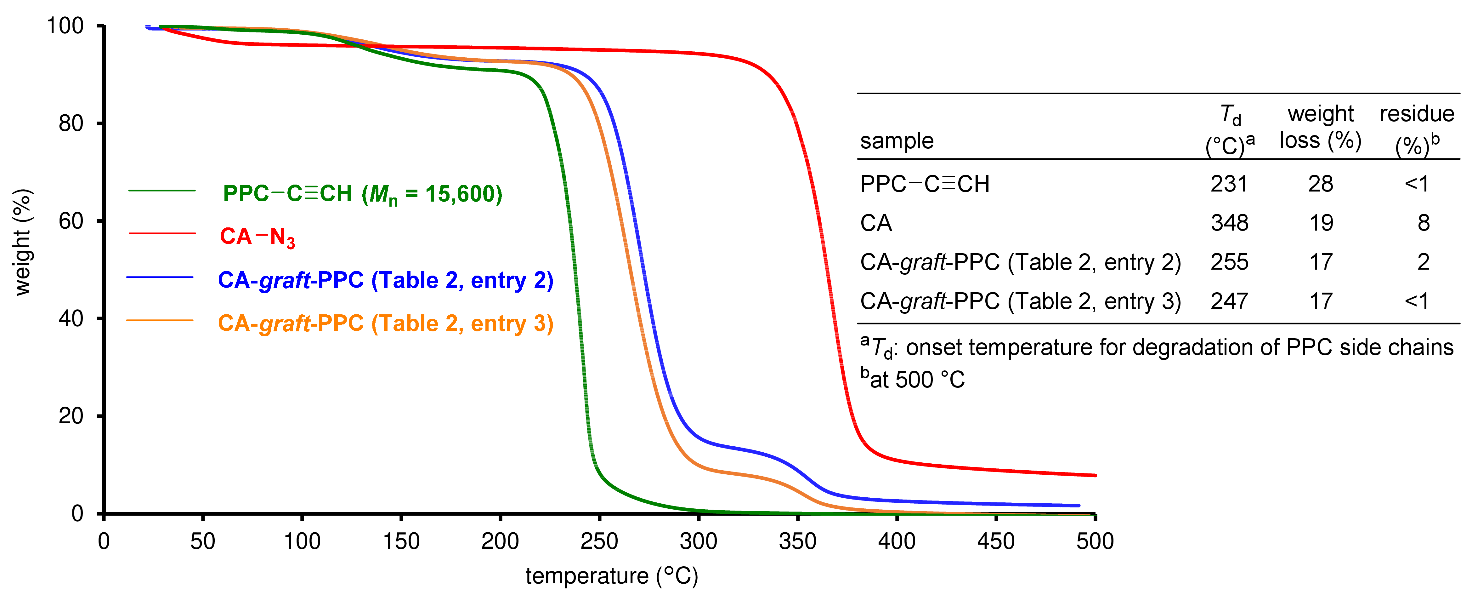
hydroxy end groups of PPC and the carbonyl groups of CA in the PPC/CA blend based on FT-IR analysis102). In addition, such hydrogen bonding suppresses the back-biting degradation process of PPC, resulting in higher thermal degradation temperature of PPC. Therefore, the higher decomposition temperature observed in this study is possibly attributed to the hydrogen bonding between the terminal hydroxy groups of PPC and the carbonyl groups of CA, while FT-IR analysis was not conducted. In addition, we consider that not only the acetyl groups but also the ester groups (adjacent to methylene proton b) and the nitrogen atoms of the triazole rings may act as hydrogen-bond acceptors. CA-graft-PPC with less PPC graft chains demonstrated slightly higher decomposition temperature (Td = 255 C) than that with more PPC graft chains (Td = 247 C). The second-stage decomposition started at ≈340 C, which should be derived from the thermal decomposition of the CA main chain. The glass transition temperature (Tg) of the resulting graft copolymers was found to be 20 °C (Table 2, entry 2) and 17 °C (Table 2, entry 3), as determined by DSC (Figure S5). The Tg of CA has been reported to be 160–180 °C), which is much higher than that of that of PPC (25–45 °C)19). Although our DSC measurement did not detect the glass transition behavior of the CA segment in the graft copolymers as well as the parent CA, the CA segment has less effect on the grass transition behavior of the PPC side chains.
3.4. Mechanical properties of CA-graft-PPC
Most of the graft copolymers prepared in this study were too brittle to prepare self-standing specimens. On the other hand, specimens suitable for tensile test could be prepared for the graft copolymer incorporating low-molecular-weight PPC (Table 2, entry 4). Preliminary tensile test results revealed a significant improvement in tensile strength (48 MPa) compared with PPC (Figure S6). In contrast, the elongation at break (9%) and tensile strength were lower than those of CA.
4. Conclusion
PPC with an alkynyl terminal group was successfully synthesized through immortal PO/CO2 copolymerization with the cobalt complex as a catalyst and 4-ethynylbenzoic acid as a CTA. The obtained PPC was found to be grafted onto azide-functionalized CA by using CuAAC. The CA-graft-PPC showed higher thermal decomposition temperature than the parent PPC. As described in the Introduction, several PPC-containing graft copolymers have previously been reported, including poly(acrylic acid)-graft-PPC77), PPC-graft-polystyrene78), poly(cyclohexene carbonate)-graft-PPC79), and PPC-graft-poly(PEOMA)80). Compared with these previously reported graft copolymers, the graft copolymer developed in this study is characterized by its synthesis via a grafting-onto approach using CuAAC chemistry. In addition, the combination with CA, a representative biomass-derived material, is another notable feature of this work. This strategy would be expected to be applicable not only to cellulose acetate but also to various other polysaccharides, enabling the development of a wide variety of PPC-based graft copolymers.
Author Contributions
Conceptualization, K.N.; validation, K.S., A.I., and K.N.; formal analysis, K.S., A.I., and K.N.; investigation, K.S., A.I., and K.N.; data curation, K.S., A.I., and K.N.; writing—original draft preparation, K.S. A.I.; writing—review and editing, K.N.; supervision, K.N.; project administration, K.N.; funding acquisition, K.N. All authors have read and agreed to the published version of the manuscript.
Conflict of Interests
The authors declare no conflicts of interest.
Data availability
All data supporting the findings of this study are available within the paper and its Supplementary Information.
Acknowledgements
The authors are grateful to Prof. Takahiro Ichikawa (Tokyo University of Agriculture and Technology) for DSC analysis. This work was partially supported by the JST COI-NEXT Program (Grant Number JPMJPF2104) and the Science and Technology Research Partnership for Sustainable Development (SATREPS) by JST/JICA.
References
- S. Inoue, H. Koinuma, and T. Tsuruta, "Copolymerization of carbon dioxide and epoxide," J. Polym. Sci. Part B: Polym. Lett., 7 (4) 287-292 (1969). doi:10.1002/pol.1969.110070408.
- G.W. Coates, and D.R. Moore, "Discrete Metal-Based Catalysts for the Copolymerization of CO2 and Epoxides: Discovery, Reactivity, Optimization, and Mechanism," Angew. Chem. Int. Ed., 43 (48) 6618-6639 (2004). doi:10.1002/anie.200460442.
- D.J. Darensbourg, "Making Plastics from Carbon Dioxide: Salen Metal Complexes as Catalysts for the Production of Polycarbonates from Epoxides and CO2," Chem. Rev., 107 (6) 2388-2410 (2007). doi:10.1021/cr068363q.
- S. Klaus, M.W. Lehenmeier, C.E. Anderson, and B. Rieger, "Recent advances in CO2/epoxide copolymerization—New strategies and cooperative mechanisms," Coord. Chem. Rev., 255 (13) 1460-1479 (2011). doi:10.1016/j.ccr.2010.12.002.
- S. Paul, Y. Zhu, C. Romain, R. Brooks, P.K. Saini, and C.K. Williams, "Ring-opening copolymerization (ROCOP): synthesis and properties of polyesters and polycarbonates," Chem. Commun., 51 (30) 6459-6479 (2015). doi:10.1039/C4CC10113H.
- C.M. Kozak, K. Ambrose, and T.S. Anderson, "Copolymerization of carbon dioxide and epoxides by metal coordination complexes," Coord. Chem. Rev., 376 565-587 (2018). doi:10.1016/j.ccr.2018.08.019.
- X.-B. Lu, and D.J. Darensbourg, "Cobalt catalysts for the coupling of CO2 and epoxides to provide polycarbonates and cyclic carbonates," Chem. Soc. Rev., 41 (4) 1462-1484 (2012). doi:10.1039/C1CS15142H.
- M. Alves, B. Grignard, R. Mereau, C. Jerome, T. Tassaing, and C. Detrembleur, "Organocatalyzed coupling of carbon dioxide with epoxides for the synthesis of cyclic carbonates: catalyst design and mechanistic studies," Catal. Sci. Technol., 7 (13) 2651-2684 (2017). doi:10.1039/C7CY00438A.
- G.A. Bhat, and D.J. Darensbourg, "Progress in the catalytic reactions of CO2 and epoxides to selectively provide cyclic or polymeric carbonates," Green Chem., 24 (13) 5007-5034 (2022). doi:10.1039/D2GC01422J.
- K. Nakano, and K. Nozaki, "A reflection on ‘Bimetallic mechanism operating in the copolymerization of propylene oxide with carbon dioxide catalyzed by cobalt–salen complexes’," Chem. Sci., 16 (48) 22801-22804 (2025). doi:10.1039/D5SC90244D.
- I.A. Wani, M. Hassan, and G.A. Bhat, "Carbon Dioxide and Epoxide Copolymerization Processes: Advances in Catalyst Design Over Decades," ChemCatChem, 17 (20) e00959 (2025). doi:10.1002/cctc.202500959.
- Y. Wu, Y. Jiang, H. Yin, X. Chen, N. Wang, and Z. Wang, "A review on catalytic copolymerization of carbon dioxide and epoxides," Mater. Today Sustain., 31 101148 (2025). doi:10.1016/j.mtsust.2025.101148.
- M. Taherimehr, and P.P. Pescarmona, "Green polycarbonates prepared by the copolymerization of CO2 with epoxides," J. Appl. Polym. Sci., 131 (21) (2014). doi:10.1002/app.41141.
- S.J. Poland, and D.J. Darensbourg, "A quest for polycarbonates provided via sustainable epoxide/CO2 copolymerization processes," Green Chem., 19 (21) 4990-5011 (2017). doi:10.1039/c7gc02560b.
- S. Ye, S. Wang, L. Lin, M. Xiao, and Y. Meng, "CO2 derived biodegradable polycarbonates: Synthesis, modification and applications," Adv. Ind. Eng. Polym. Res., 2 (4) 143-160 (2019). doi:10.1016/j.aiepr.2019.09.004.
- H. Cao, and X. Wang, "Carbon dioxide copolymers: Emerging sustainable materials for versatile applications," SusMat, 1 (1) 88-104 (2021). doi:10.1002/sus2.2.
- G.-W. Yang, R. Xie, Y.-Y. Zhang, C.-K. Xu, and G.-P. Wu, "Evolution of Copolymers of Epoxides and CO2: Catalysts, Monomers, Architectures, and Applications," Chem. Rev., 124 (21) 12305-12380 (2024). doi:10.1021/acs.chemrev.4c00517.
- G. Luinstra, "Poly(Propylene Carbonate), Old Copolymers of Propylene Oxide and Carbon Dioxide with New Interests: Catalysis and Material Properties," Polym. Rev., 48 (1) 192-219 (2008). doi:10.1080/15583720701834240.
- Y. Qin, and X. Wang, "Carbon dioxide-based copolymers: Environmental benefits of PPC, an industrially viable catalyst," Biotechnol. J., 5 (11) 1164-1180 (2010). doi:10.1002/biot.201000134.
- B. Bahramian, A. Fathi, and F. Dehghani, "A renewable and compostable polymer for reducing consumption of non-degradable plastics," Polym. Degrad. Stab., 133 174-181 (2016). doi:10.1016/j.polymdegradstab.2016.08.014.
- L. Wang, Y. Li, J. Yang, Q. Wu, S. Liang, and Z. Liu, "Poly(Propylene Carbonate)-Based Biodegradable and Environment-Friendly Materials for Biomedical Applications," Int. J. Mol. Sci., 25 (5) 2938 (2024). doi:10.3390/ijms25052938.
- G. Kim, M. Ree, H. Kim, I.J. Kim, J.R. Kim, and J.I. Lee, "Biological affinity and biodegradability of poly(propylene carbonate) prepared from copolymerization of carbon dioxide with propylene oxide," Macromol. Res., 16 (5) 473-480 (2008). doi:10.1007/BF03218547.
- M. Cao, B. Zeng, Y. Zheng, and S. Guo, "Biocompatible shape-memory poly(propylene carbonate)/silk fibroin blend with body temperature responsiveness," RSC Adv., 13 (19) 13120-13127 (2023). doi:10.1039/D3RA00670K.
- G. Flodberg, I. Helland, L. Thomsson, and S. Bodil Fredriksen, "Barrier properties of polypropylene carbonate and poly(lactic acid) cast films," Eur. Polym. J., 63 217-226 (2015). doi:10.1016/j.eurpolymj.2014.12.020.
- J. Zhang, J. Zhao, L. Yue, Q. Wang, J. Chai, Z. Liu, X. Zhou, H. Li, Y. Guo, G. Cui, and L. Chen, "Safety-Reinforced Poly(Propylene Carbonate)-Based All-Solid-State Polymer Electrolyte for Ambient-Temperature Solid Polymer Lithium Batteries," Adv. Energy Mater., 5 (24) 1501082 (2015). doi:10.1002/aenm.201501082.
- M. Koga, K. Hashimoto, and Y. Tominaga, "Ion-Conductive Properties of Propylene Carbonate/Propylene Oxide Copolymers," Kobunshi Ronbunshu, 74 (6) 577-583 (2017). doi:10.1295/koron.2017-0051.
- A.I. Gerlitz, D. Diddens, M. Grünebaum, A. Heuer, M. Winter, and H.-D. Wiemhöfer, "Polypropylene carbonate-based electrolytes as model for a different approach towards improved ion transport properties for novel electrolytes," Phys. Chem. Chem. Phys., 25 (6) 4810-4823 (2023). doi:10.1039/D2CP03756D.
- R. Muthuraj, and T. Mekonnen, "Recent progress in carbon dioxide (CO2) as feedstock for sustainable materials development: Co-polymers and polymer blends," Polymer, 145 348-373 (2018). doi:10.1016/j.polymer.2018.04.078.
- D. Bora, H. Dutta, B. Saha, Y.A. Kumar Reddy, R. Patel, S.K. Verma, P.S. Sellamuthu, R. Sadiku, and J. Jayaramudu, "A review on the modification of polypropylene carbonate (PPC) using different types of blends/composites and its advanced uses," Mater. Today Commun., 37 (2023). doi:10.1016/j.mtcomm.2023.107304.
- X.C. Ge, X.H. Li, Q. Zhu, L. Li, and Y.Z. Meng, "Preparation and properties of biodegradable poly(propylene carbonate)/starch composites," Polym. Eng. Sci., 44 (11) 2134-2140 (2004). doi:10.1002/pen.20219.
- X.C. Ge, Y. Xu, Y.Z. Meng, and R.K.Y. Li, "Thermal and mechanical properties of biodegradable composites of poly(propylene carbonate) and starch–poly(methyl acrylate) graft copolymer," Compos. Sci. Technol., 65 (14) 2219-2225 (2005). doi:10.1016/j.compscitech.2005.04.052.
- S. Zeng, S. Wang, M. Xiao, D. Han, and Y. Meng, "Preparation and properties of biodegradable blend containing poly (propylene carbonate) and starch acetate with different degrees of substitution," Carbohydr. Polym., 86 (3) 1260-1265 (2011). doi:10.1016/j.carbpol.2011.06.023.
- G. Jiang, J. Xu, N. Zhao, S. Zhang, and H. Huang, "Influence of Starch Oxidization and Modification on Interfacial Interaction, Rheological Behavior, and Properties of Poly(Propylene Carbonate)/Starch Blends," Polym.-Plast. Technol. Eng., 56 (10) 1084-1095 (2017). doi:10.1080/03602559.2016.1253736.
- D. Wang, Y. Liang, Z. Wu, Z. Liu, and Y. Li, "Enhanced Thermal Stability and Water Resistance in Silylated Starch/Poly(Propylene Carbonate) Composites via Hydrophobic Modification," J. Appl. Polym. Sci., 142 (43) e57680 (2025). doi:10.1002/app.57680.
- D. Wang, J. Yu, J. Zhang, J. He, and J. Zhang, "Transparent bionanocomposites with improved properties from poly(propylene carbonate) (PPC) and cellulose nanowhiskers (CNWs)," Compos. Sci. Technol., 85 83-89 (2013). doi:10.1016/j.compscitech.2013.06.004.
- J.-L. Hong, X.-H. Zhang, R.-J. Wei, Q. Wang, Z.-Q. Fan, and G.-R. Qi, "Inhibitory effect of hydrogen bonding on thermal decomposition of the nanocrystalline cellulose/poly(propylene carbonate) nanocomposite," J. Appl. Polym. Sci., 131 (3) (2014). doi:10.1002/app.39847.
- X. Qi, G. Yang, M. Jing, Q. Fu, and F.-C. Chiu, "Microfibrillated cellulose-reinforced bio-based poly(propylene carbonate) with dual shape memory and self-healing properties," J. Mater. Chem. A, 2 (47) 20393-20401 (2014). doi:10.1039/c4ta04954c.
- M.Z. Pang, J.J. Qiao, J. Jiao, S.J. Wang, M. Xiao, and Y.Z. Meng, "Miscibility and properties of completely biodegradable blends of poly(propylene carbonate) and poly(butylene succinate)," J. Appl. Polym. Sci., 107 (5) 2854-2860 (2008). doi:10.1002/app.27252.
- L. Henke, N. Zarrinbakhsh, H.-J. Endres, M. Misra, and A.K. Mohanty, "Biodegradable and Bio-based Green Blends from Carbon Dioxide-Derived Bioplastic and Poly(Butylene Succinate)," J. Polym. Environ., 25 (2) 499-509 (2017). doi:10.1007/s10924-016-0828-x.
- X. Han, Y. Jin, B. Wang, H. Tian, and Y. Weng, "Reinforcing and Toughening Modification of PPC/PBS Blends Compatibilized with Epoxy Terminated Hyperbranched Polymers," J. Polym. Environ., 30 (2) 461-471 (2022). doi:10.1007/s10924-021-02211-5.
- X. Ma, J. Yu, and N. Wang, "Compatibility characterization of poly(lactic acid)/poly(propylene carbonate) blends," J. Polym. Sci., Part B: Polym. Phys., 44 (1) 94-101 (2006). doi:10.1002/polb.20669.
- W. Zou, R. Chen, G. Zhang, H. Zhang, and J. Qu, "Mechanical, thermal and rheological properties and morphology of poly (lactic acid)/poly (propylene carbonate) blends prepared by vane extruder," Polym. Adv. Technol., 27 (11) 1430-1437 (2016). doi:10.1002/pat.3811.
- I.N.H.M. Haneef, Y.F. Buys, N.M. Shaffiar, S.I.S. Shaharuddin, and M.K. Nor Khairusshima, "Miscibility, mechanical, and thermal properties of polylactic acid/polypropylene carbonate (PLA/PPC) blends prepared by melt-mixing method," Mater. Today Proc., 17 534-542 (2019). doi:10.1016/j.matpr.2019.06.332.
- Y. Li, Y.-C. Yu, C.-Y. Han, X.-H. Wang, and D.-X. Huang, "Sustainable Blends of Poly(propylene carbonate) and Stereocomplex Polylactide with Enhanced Rheological Properties and Heat Resistance," Chin. J. Polym. Sci., 38 (11) 1267-1275 (2020). doi:10.1007/s10118-020-2408-8.
- D. Han, G. Chen, M. Xiao, S. Wang, S. Chen, X. Peng, and Y. Meng, "Biodegradable and Toughened Composite of Poly(Propylene Carbonate)/Thermoplastic Polyurethane (PPC/TPU): Effect of Hydrogen Bonding," Int. J. Mol. Sci., 19 (7) (2018). doi:10.3390/ijms19072032.
- B. Zeng, M. Cao, J. Shen, K. Yang, Y. Zheng, and S. Guo, "Tuning the dual- and triple-shape-memory effect of thermoplastic polyurethane/polylactic acid/poly(propylene carbonate) ternary blends via morphology control," Polymer, 242 124546 (2022). doi:10.1016/j.polymer.2022.124546.
- Y. Li, and H. Shimizu, "Compatibilization by homopolymer: significant improvements in the modulus and tensile strength of PPC/PMMA blends by the addition of a small amount of PVAc," ACS Appl. Mater. Interfaces, 1 (8) 1650-1655 (2009). doi:10.1021/am900314k.
- G. Yang, X. Hu, J. Su, C. Geng, W. Yao, Q. Zhang, and Q. Fu, "Significant reinforcement of poly(propylene carbonate): Nanostructured polymer composites of poly(propylene carbonate)/poly(methyl methacrylate) via a supercritical carbon dioxide route," J. Supercrit. Fluids, 82 200-205 (2013). doi:10.1016/j.supflu.2013.08.003.
- S.J. Yoo, S.H. Lee, M. Jeon, H.S. Lee, and W.N. Kim, "Effects of compatibilizers on the mechanical, morphological, and thermal properties of poly(propylene carbonate)/poly(methyl methacrylate) blends," Macromol. Res., 21 (11) 1182-1187 (2013). doi:10.1007/s13233-013-1159-6.
- D. Han, Z. Guo, S. Chen, M. Xiao, X. Peng, S. Wang, and Y. Meng, "Enhanced Properties of Biodegradable Poly(Propylene Carbonate)/Polyvinyl Formal Blends by Melting Compounding," Polymers, 10 (7) 771 (2018). doi:10.3390/polym10070771.
- H. Li, J. Hu, Y. Liang, H. Wang, and G. Jiang, "Fabrication of PBAT/PPC Blend Nanocomposites with Low Conductivity Percolation and Balanced Mechanical and Barrier Properties via Incorporation of Partially Reductive GO," Macromol. Mater. Eng., 307 (5) 2100860 (2022). doi:10.1002/mame.202100860.
- Q. Zhang, Y. Gao, H. Liu, S. Shu, and W. Chen, "Effects of Endic Anhydride Grafted PPC on the Properties of PHBV Blends," Materials, 15 (17) 6179 (2022). doi:10.3390/ma15176179.
- X. Ma, J. Yu, and A. Zhao, "Properties of biodegradable poly(propylene carbonate)/starch composites with succinic anhydride," Compos. Sci. Technol., 66 (13) 2360-2366 (2006). doi:10.1016/j.compscitech.2005.11.028.
- X. Ma, P.R. Chang, J. Yu, and N. Wang, "Preparation and properties of biodegradable poly(propylene carbonate)/thermoplastic dried starch composites," Carbohydr. Polym., 71 (2) 229-234 (2008). doi:10.1016/j.carbpol.2007.05.033.
- X. Dong, L. Liu, Y. Wang, T. Li, Z. Wu, H. Yuan, P. Ma, D. Shi, M. Chen, and W. Dong, "The compatibilization of poly (propylene carbonate)/poly (lactic acid) blends in presence of core-shell starch nanoparticles," Carbohydr. Polym., 254 117321 (2021). doi:10.1016/j.carbpol.2020.117321.
- L. Song, Q. Zhang, Y. Hao, Y. Li, W. Chi, F. Cong, Y. Shi, and L.Z. Liu, "Effect of Different Comonomers Added to Graft Copolymers on the Properties of PLA/PPC/PLA-g-GMA Blends," Polymers, 14 (19) (2022). doi:10.3390/polym14194088.
- J. Guan, C. Han, J. Liu, D. Niu, W. Yang, P. Xu, and P. Ma, "Achieving robust and transparency in polylactic acid/polypropylene carbonate blends through tailored reactive compatibilizer and controlled interfacial reaction," Polym. Degrad. Stab., 244 111843 (2026). doi:10.1016/j.polymdegradstab.2025.111843.
- L. Song, W. Chi, Q. Zhang, J. Ren, B. Yang, F. Cong, Y. Li, W. Wang, X. Li, and Y. Wang, "Improvement of properties of polylactic acid/polypropylene carbonate blends using epoxy soybean oil as an efficient compatibilizer," Int. J. Biol. Macromol., 253 127407 (2023). doi:10.1016/j.ijbiomac.2023.127407.
- X. Ji, J. Guo, B. Zeng, X. Li, X. Liao, W. Fang, J. Liu, Y. Zheng, D. Li, and J. Lei, "Toward Sustainable Poly(lactic acid)/Poly(propylene carbonate) Blend Films with Balanced Mechanical Properties, High Optical Transmittance, and Gas Barrier Performance via Reactive Compatibilization and Biaxial Stretching," ACS Omega, 9 (49) 48149-48158 (2024). doi:10.1021/acsomega.4c04940.
- L. Song, W. Chi, Y. Hao, J. Ren, B. Yang, F. Cong, Y. Li, L. Yu, X. Li, and Y. Wang, "Improving the properties of polylactic acid/polypropylene carbonate blends through cardanol-induced compatibility enhancement," Int. J. Biol. Macromol., 258 128886 (2024). doi:10.1016/j.ijbiomac.2023.128886.
- Z. Zhao, R. Yu, Z. Zhang, L. Le, M. Liu, and C. Li, "Material ratio and properties of polylactic acid/polypropylene carbonate/corn stover composites," Int. J. Biol. Macromol., 331 148432 (2025). doi:10.1016/j.ijbiomac.2025.148432.
- M. Cvek, U.C. Paul, J. Zia, G. Mancini, V. Sedlarik, and A. Athanassiou, "Biodegradable Films of PLA/PPC and Curcumin as Packaging Materials and Smart Indicators of Food Spoilage," ACS Appl. Mater. Interfaces, 14 (12) 14654-14667 (2022). doi:10.1021/acsami.2c02181.
- D. Bora, R. Duarah, P. Barman, J. Jarugala, and E.R. Sadiku, "Development of Eco-Friendly and Durable Composites: Polypropylene Carbonate (PPC)–Polylactic Acid (PLA)/ZIF-8 for Packaging Applications," ACS Appl. Mater. Interfaces, 6 (17) 10380-10392 (2024). doi:10.1021/acsapm.4c01236.
- R.C. Jeske, J.M. Rowley, and G.W. Coates, "Pre-rate-determining selectivity in the terpolymerization of epoxides, cyclic anhydrides, and CO2: a one-step route to diblock copolymers," Angew. Chem. Int. Ed., 47 (32) 6041-6044 (2008). doi:10.1002/anie.200801415.
- Y. Li, Y.-Y. Zhang, L.-F. Hu, X.-H. Zhang, B.-Y. Du, and J.-T. Xu, "Carbon dioxide-based copolymers with various architectures," Prog. Polym. Sci., 82 120-157 (2018). doi:10.1016/j.progpolymsci.2018.02.001.
- D.J. Darensbourg, M. Ulusoy, O. Karroonnirum, R.R. Poland, J.H. Reibenspies, and B. Çetinkaya, "Highly Selective and Reactive (salan)CrCl Catalyst for the Copolymerization and Block Copolymerization of Epoxides with Carbon Dioxide," Macromolecules, 42 (18) 6992-6998 (2009). doi:10.1021/ma901364x.
- Y. Mizuno, and K. Nakano, "Block Copolymers of Aliphatic Polycarbonates: Combination of Immortal Epoxide/Carbon-dioxide Copolymerization and Atom Transfer Radical Polymerization of Vinyl Monomers," Chem. Lett., 47 (4) 580-583 (2018). doi:10.1246/cl.180045.
- Y. Wang, Y. Zhao, Y. Ye, H. Peng, X. Zhou, X. Xie, X. Wang, and F. Wang, "A One-Step Route to CO2-Based Block Copolymers by Simultaneous ROCOP of CO2/Epoxides and RAFT Polymerization of Vinyl Monomers," Angew. Chem. Int. Ed., 57 (14) 3593-3597 (2018). doi:10.1002/anie.201710734.
- C.D. Cowman, E. Padgett, K.W. Tan, R. Hovden, Y. Gu, N. Andrejevic, D. Muller, G.W. Coates, and U. Wiesner, "Multicomponent Nanomaterials with Complex Networked Architectures from Orthogonal Degradation and Binary Metal Backfilling in ABC Triblock Terpolymers," J. Am. Chem. Soc., 137 (18) 6026-6033 (2015). doi:10.1021/jacs.5b01915.
- Y. Zhao, Y. Wang, X. Zhou, Z. Xue, X. Wang, X. Xie, and R. Poli, "Oxygen-Triggered Switchable Polymerization for the One-Pot Synthesis of CO2-Based Block Copolymers from Monomer Mixtures," Angew. Chem. Int. Ed., 58 (40) 14311-14318 (2019). doi:10.1002/anie.201906140.
- D.J. Darensbourg, and G.P. Wu, "A one-pot synthesis of a triblock copolymer from propylene oxide/carbon dioxide and lactide: intermediacy of polyol initiators," Angew. Chem. Int. Ed., 52 (40) 10602-10606 (2013). doi:10.1002/anie.201304778.
- Z. Duan, X. Wang, Q. Gao, L. Zhang, B. Liu, and I. Kim, "Highly active bifunctional cobalt-salen complexes for the synthesis of poly(ester-block-carbonate) copolymer via terpolymerization of carbon dioxide, propylene oxide, and norbornene anhydride isomer: Roles of anhydride conformation consideration," J. Polym. Sci. Part A: Polym. Chem., 52 (6) 789-795 (2014). doi:10.1002/pola.27057.
- J. Liu, M. Jia, Y. Gnanou, and X. Feng, "One-Pot Synthesis of CO2-Based Polylactide-b-Poly(ether carbonate)-b-Polylactide Triblock Copolymers and Their Mechanical Properties," Macromolecules, 56 (4) 1615-1624 (2023). doi:10.1021/acs.macromol.2c02522.
- Y. Nishikawa, Y. Kanao, and K. Nakano, "Precise synthesis of poly(propylene carbonate)-block-poly(α-amino acid)s via copolymerization of propylene oxide with carbon dioxide and ring-opening polymerization of α-amino acid N-thiocarboxyanhydrides," MRS Commun., 15 (6) 1229-1235 (2025). doi:10.1557/s43579-025-00869-9.
- Y. Nakabayashi, and K. Nakano, "Polycarbonate-block-polycycloalkenes via epoxide/carbon dioxide copolymerization and ring-opening metathesis polymerization," Polym. J., 53 (1) 203-208 (2020). doi:10.1038/s41428-020-00423-5.
- R. Qu, Z. Liu, X. Chen, H. Suo, Y. Gu, and Y. Qin, "Efficient one-pot synthesis of CO2-based functional polycarbonates combining ROCOP and ROMP," Polymer, 298 (2024). doi:10.1016/j.polymer.2024.126899.
- S. Honda, and H. Sugimoto, "Carbon Dioxide-Derived Immortal Brush Macromolecules with Poly(propylene carbonate) Side Chains," Macromolecules, 49 (18) 6810-6816 (2016). doi:10.1021/acs.macromol.6b01505.
- P. Song, R. Guo, W. Ma, L. Wang, F. Ma, and R. Wang, "Synthesis of CO2-based polycarbonate-g-polystyrene copolymers via NMRP," Chem. Commun. (Camb.), 56 (66) 9493-9496 (2020). doi:10.1039/d0cc03665j.
- P. Alagi, G. Zapsas, N. Hadjichristidis, S.C. Hong, Y. Gnanou, and X. Feng, "All-Polycarbonate Graft Copolymers with Tunable Morphologies by Metal-Free Copolymerization of CO2 with Epoxides," Macromolecules, 54 (13) 6144-6152 (2021). doi:10.1021/acs.macromol.1c00659.
- S. Zeng, X. Wu, Y. Ren, and L. He, "Synthesis of PPC-graft-poly(PEOMA) Brush and PPC Gels via Post-polymerization Modification of Hydroxyl-Functionalized Poly(propylene carbonate)," J. Polym. Environ., 30 (11) 4580-4589 (2022). doi:10.1007/s10924-022-02531-0.
- E. Marinho, "Cellulose: A comprehensive review of its properties and applications," Sustain. Chem. Environ., 11 100283 (2025). doi:10.1016/j.scenv.2025.100283.
- L. Zhou, K. Ke, M.-B. Yang, and W. Yang, "Recent progress on chemical modification of cellulose for high mechanical-performance Poly(lactic acid)/Cellulose composite: A review," Compos. Commun., 23 (2021). doi:10.1016/j.coco.2020.100548.
- T. Aziz, A. Farid, F. Haq, M. Kiran, A. Ullah, K. Zhang, C. Li, S. Ghazanfar, H. Sun, R. Ullah, A. Ali, M. Muzammal, M. Shah, N. Akhtar, S. Selim, N. Hagagy, M. Samy, and S.K. Al Jaouni, "A Review on the Modification of Cellulose and Its Applications," Polymers, 14 (15) (2022). doi:10.3390/polym14153206.
- D. Roy, M. Semsarilar, J.T. Guthrie, and S. Perrier, "Cellulose modification by polymer grafting: a review," Chem. Soc. Rev., 38 (7) 2046-2064 (2009). doi:10.1039/b808639g.
- A. Noreen, K.M. Zia, S. Tabasum, S. Khalid, and R. Shareef, "A review on grafting of hydroxyethylcellulose for versatile applications," Int. J. Biol. Macromol., 150 289-303 (2020). doi:10.1016/j.ijbiomac.2020.01.265.
- A. Carlmark, E. Larsson, and E. Malmström, "Grafting of cellulose by ring-opening polymerisation – A review," Eur. Polym. J., 48 (10) 1646-1659 (2012). doi:10.1016/j.eurpolymj.2012.06.013.
- G. Moreira, E. Fedeli, F. Ziarelli, D. Capitani, L. Mannina, L. Charles, S. Viel, D. Gigmes, and C. Lefay, "Synthesis of polystyrene-grafted cellulose acetate copolymers via nitroxide-mediated polymerization," Polym. Chem., 6 (29) 5244-5253 (2015). doi:10.1039/C5PY00752F.
- K.A. Gebru, and C. Das, "Humic acid removal using cellulose acetate membranes grafted with poly (methyl methacrylate) and aminated using tetraethylenepentamine," J. Environ. Manage., 217 600-610 (2018). doi:10.1016/j.jenvman.2018.03.131.
- E. Haldon, M.C. Nicasio, and P.J. Perez, "Copper-catalysed azide-alkyne cycloadditions (CuAAC): an update," Org. Biomol. Chem., 13 (37) 9528-9550 (2015). doi:10.1039/c5ob01457c.
- X. Meng, and K.J. Edgar, "“Click” reactions in polysaccharide modification," Prog. Polym. Sci., 53 52-85 (2016). doi:10.1016/j.progpolymsci.2015.07.006.
- P. Purohit, A. Bhatt, R.K. Mittal, M.H. Abdellattif, and T.A. Farghaly, "Polymer Grafting and its chemical reactions," Front. Bioeng. Biotechnol., 10 (2023). doi:10.3389/fbioe.2022.1044927.
- M.F. Ali, and B. Ochiai, "Click Chemistry for Well-Defined Graft Copolymers," Polymers, 16 (23) (2024). doi:10.3390/polym16233275.
- C.T. Cohen, T. Chu, and G.W. Coates, "Cobalt Catalysts for the Alternating Copolymerization of Propylene Oxide and Carbon Dioxide: Combining High Activity and Selectivity," Journal of the American Chemical Society, 127 (31) 10869-10878 (2005). doi:10.1021/ja051744l.
- R.N. Loy, and E.N. Jacobsen, "Enantioselective Intramolecular Openings of Oxetanes Catalyzed by (salen)Co(III) Complexes: Access to Enantioenriched Tetrahydrofurans," Journal of the American Chemical Society, 131 (8) 2786-2787 (2009). doi:10.1021/ja809176m.
- A. Krupp, M. Noll, and M. Reggelin, "Valine derived poly (acetylenes) as versatile chiral lyotropic liquid crystalline alignment media for RDC-based structure elucidations," Magn. Reson. Chem., 59 (5) 577-586 (2021). doi:10.1002/mrc.5003.
- H. Brandt, T. Ehmann, and M. Otto, "Investigating the effect of mixing ratio on molar mass distributions of synthetic polymers determined by MALDI-TOF mass spectrometry using design of experiments," J. Am. Soc. Mass. Spectrom., 21 (11) 1870-1875 (2010). doi:10.1016/j.jasms.2010.07.002.
- F. Hassan Hassan Abdellatif, J. Babin, C. Arnal-Herault, C. Nouvel, J.-L. Six, and A. Jonquieres, "Bio-based membranes for ethyl tert-butyl ether (ETBE) bio-fuel purification by pervaporation," J. Membr. Sci., 524 449-459 (2017). doi:10.1016/j.memsci.2016.11.078.
- R.L. Paddock, and S.T. Nguyen, "Alternating Copolymerization of CO2 and Propylene Oxide Catalyzed by CoIII(salen)/Lewis Base," Macromolecules, 38 (15) 6251-6253 (2005). doi:10.1021/ma047551k.
- K. Nakano, T. Kamada, and K. Nozaki, "Selective formation of polycarbonate over cyclic carbonate: copolymerization of epoxides with carbon dioxide catalyzed by a cobalt(III) complex with a piperidinium end-capping arm," Angew. Chem. Int. Ed., 45 (43) 7274-7277 (2006). doi:10.1002/anie.200603132.
- A. Cyriac, S.H. Lee, J.K. Varghese, E.S. Park, J.H. Park, and B.Y. Lee, "Immortal CO2/Propylene Oxide Copolymerization: Precise Control of Molecular Weight and Architecture of Various Block Copolymers," Macromolecules, 43 (18) 7398-7401 (2010). doi:10.1021/ma101259k.
- D.J. Darensbourg, "Chain transfer agents utilized in epoxide and CO2 copolymerization processes," Green Chem., 21 (9) 2214-2223 (2019). doi:10.1039/C9GC00620F.
- T.N. Tran, B.T. Mai, C. Setti, and A. Athanassiou, "Transparent Bioplastic Derived from CO2-Based Polymer Functionalized with Oregano Waste Extract toward Active Food Packaging," ACS Appl. Mater. Interfaces, 12 (41) 46667-46677 (2020). doi:10.1021/acsami.0c12789.