
Abstract
Greenhouse gas emissions are a major contributor to climate change, which originate from several sectors, including energy, transportation, manufacturing, and construction. However, the transportation sector accounts for approximately 25% of total emissions, indicating the urgent need for effective mitigation strategies. One potential solution is the use of renewable energy, particularly biofuels, which can reduce carbon dioxide emissions by partially replacing fossil fuels. In Indonesia, this transition is supported by Government Regulation No. 79/2014 on the National Energy Policy, including the mandatory B20 program that promotes biodiesel blending. Therefore, this study aims to examine public knowledge, attitudes, and perceptions regarding biofuel use in the transportation sector in Indonesia. Data were collected through a questionnaire survey involving 256 respondents and analyzed using analysis of variance (ANOVA) to assess differences across demographic factors. The results showed that respondents under 18 years of age had knowledge levels comparable to those aged 18–24, while significant differences were observed among older age groups. Educational background influenced knowledge, with vocational high school and university graduates accounting for 28% and 40%, respectively. Gender differences were also identified, as male respondents showed slightly higher knowledge levels (54%) than females (46%). Despite showing positive attitudes toward biofuels, public knowledge remained limited, with more than 60% of respondents unaware of natural resource and energy management issues. Public attitudes and perceptions were predominantly positive, with more than half of respondents expressing agreement or strong agreement. These results showed the need for strengthened public education to support effective biofuel policy implementation.
Keywords: attitude, biofuel, emissions, perception, public knowledge
Outline
1. Introduction
Global warming is an urgent global challenge due to its severe impacts on human livelihoods and environmental sustainability. The primary greenhouse gases contributing to global warming are carbon dioxide (CO₂), methane (CH₄), and nitrous oxide (N₂O)1). Among these gases, CO₂ emissions from fossil fuel combustion remain the dominant contributor. In Indonesia, greenhouse gas emissions from the energy sector reached approximately 0.639 billion tonnes of CO₂ equivalent in 20192).
In 2023, global CO₂ emissions from fossil fuels reached a historic high of 36.8 billion tonnes, representing an increase compared to pre-COVID-19 levels3). Although some regions, such as Europe and the United States, experienced slight reductions, global emissions continued to rise. Indonesia is among the world’s major land-use-change emitters3) (Table 1). Emissions from fossil fuels remain dominated by coal, oil, and natural gas, accounting for 41%, 32%, and 21% of total emissions, respectively3). Indonesia continues to face major challenges in transitioning from fossil-based energy systems to renewable energy development4). Separate analyses of Indonesia’s net-zero position also emphasize the need for a coherent national strategy and coordinated transition planning5).
CO2 emissions are expected to continue increasing and remain one of the most serious environmental problems. Therefore, there is a need to reduce CO2 emissions in the coming decades as a key factor in achieving climate change targets5). A total of 43.83%, 24.64%, 21.46%, and 4.13% of emissions are produced by the energy, transportation, manufacturing, construction, and other sectors, respectively2). Based on the data, the transportation sector contributes approximately 25% of emissions, highlighting the importance of mitigation in this sector. Public and stakeholder acceptance can also influence the development of emerging biofuel pathways, as shown for seaweed-derived fuels in the UK6). Biofuels can contribute to lower engine emissions when used as alternatives to fossil fuels7).
Several countries have adopted policy reforms to address these challenges and accelerate the transition to renewable energy. In Sweden, public acceptance and support for environmental transport policy have been examined in relation to conventional and alternative-fuel vehicles8). Biofuels are commonly classified into generations according to feedstock and production pathways9), while South America has a long history of liquid biofuels, particularly ethanol and biodiesel10). In 2009, biofuels supplied 23% of the energy used for road transportation in Brazil, which was the world’s second-largest biofuel producer11).
Table 1: The top ten global emitters in terms of land use during 2013-20223)
| Country | Net Emissions (billion tonnes CO2/yr) | % of global emissions |
|---|---|---|
| Brazil | 1.08 | 23.1% |
| Indonesia | 0.93 | 19.9% |
| Democratic Republic of the Congo | 0.57 | 12.2% |
| Malaysia | 0.15 | 3.3% |
| Tanzania | 0.14 | 3.0% |
| Vietnam | 0.14 | 2.9% |
| Myanmar | 0.12 | 2.5% |
| Mexico | 0.11 | 2.4% |
| Angola | 0.11 | 2.3% |
| Ethiopia | 0.10 | 2.1% |
| World | 4.67 | 100% |
In recent years, global discourse on biofuels has increasingly emphasized their potential to reduce greenhouse gas emissions, while also recognizing environmental trade-offs associated with wider deployment12). Recent reviews emphasize that effective biofuel integration requires integrated policies, public awareness, infrastructure investment, and sustainable production practices13).
Indonesian Government Regulation Number 79/2014 concerning the National Energy Policy regulates the use of renewable energy and the reduction of fossil energy, with renewable-energy share targets of at least 23% by 2025 and 31% by 205014). However, the contribution of renewable energy only reached 11.31% in 2020, which was just half of the target15). Indonesia’s biofuel development also includes biodiesel as a renewable-energy pathway supported by established processing technologies16). Policy support was reinforced by Presidential Instruction Number 1 of 2006 dated January 25, 2006, concerning the provision and use of biofuel as an alternative fuel17).
Biofuel development in Indonesia has progressed from Presidential Regulation Number 5/2006 to Minister of Energy and Mineral Resources Regulation Number 41/201818,19). Since 2008, the government has issued a mandatory policy for the use of biodiesel with a mixture content of 2.5%. Additionally, there is a gradual increase in biodiesel content to 7.5%, 10%, 15%, and 20% in 2010, 2011, 2015, and 2016, respectively. From 2016 to 2021, there was an increase in the use of biodiesel because the government set a mandatory policy program of B20 and B30 (i.e., blending levels of 20% and 30%, respectively)20).
Based on previous studies, the mandatory biodiesel policy in Indonesia has significantly strengthened national energy security and the country's financial stability. This is shown by a reduction in diesel imports, saving foreign exchange, low CO2 emissions, and high employment in the palm oil sector. However, there are challenges such as production capacity, biodiesel prices, infrastructure, raw materials, and environmental risks due to land use expansion21). To address these challenges, the government has taken strategic steps, although long-term success depends significantly on consistent policies and support from all relevant parties. The development of palm oil-based biodiesel requires special attention to environmental, economic, and social aspects, as well as a commitment to managing the industry sustainably22). The public generally supports biofuels, but limited knowledge and perceived risks such as deforestation and competition with food production can affect the level of support23). Increasing public knowledge can reduce vulnerability to dominant discourse and media. Therefore, there is a tendency for greater support from an informed and educated public, particularly when the use and distribution of biofuel is considered fair23). However, studies examining knowledge, attitudes, and perceptions in the evaluation of biofuel policy remain limited.
Previous work in Finland has shown that willingness to adopt biofuels can coexist with limited information and concerns about food-crop feedstocks24). Therefore, this study was conducted based on a previous report that assessed the level of public knowledge about the use of biofuel in the transportation sector in Indonesia, focusing on the B20 policy as part of the 25/25 energy vision. Although the policy had great potential to reduce dependence on fossil fuels, public understanding of biofuels was still limited. Consequently, this study aims to provide a comprehensive overview of public knowledge, attitudes, and perceptions regarding the use of biofuels in the transportation sector in Indonesia. Public opinions on future community needs are also examined to support the adoption of sustainable biofuel policies in the industrial sector. These dimensions can facilitate the identification of alternative viewpoints and possible assessment regimes for measuring the acceptance of biofuels, in addition to the ones being used by the government. The results are expected to support the debate surrounding biofuels, local perspectives, and international viewpoints on sustainable energy transitions.
2. Biofuel in Brief
In the context of spark-ignition engines, biogasoline can be produced from biomass of plant or animal origin, or from their wastes25). It is an alternative fuel for vehicles with the potential to reduce engine emissions and maintain better air quality26). Microorganisms are also used industrially to produce chemical products, including biofuels27). Microbiological pathways for biofuel production have also received sustained research attention28). Biofuel development is driven by the need for renewable transportation fuels and reduced greenhouse gas emissions26). Biofuels have evolved over four generations, and every generation has its advantages and limitations. Therefore, classification is reviewed in terms of raw materials, production technology, environmental effects, and economic evaluation of biofuel production9).
Biofuel production and use have increased substantially in several countries because of the ability to reduce engine-related greenhouse gas emissions by more than 80%26). As shown in Table 2, countries around the world have adopted biofuel, a trend expected to promote its further development.
A study in Finland found that 60% of respondents were willing to switch toward biofuels, although a lack of information about biofuels limited their use24).
Similarly, studies in European Union member states found that public opinion generally supports liquid biofuels despite limited understanding of their production and impacts. This lack of knowledge makes public opinion
Table 2: Selected biofuel policies and targets worldwide
| Country | |
|---|---|
| Brazil | RenovaBio aimed to increase the share of biofuels in the fuel matrix from 20% to 28.6% by 202829). |
| India | Indicative targets of 20% ethanol blending in petrol and 5% biodiesel blending in diesel by 203030). |
| Australia | Queensland biofuel mandates commenced on 1 January 2017, covering ethanol-blended petrol and biodiesel31). |
| Czech Republic | The Czech Republic implemented EU biofuel legislation and set transport targets for GHG savings and the share of biofuels and renewable electricity32). |
| European Union | By 2030, EU countries are required to achieve 29% renewable energy in transport or reduce transport-fuel GHG intensity by 14.5%33). |
| China | A 2017 national plan aimed for near-nationwide use of ethanol-blended gasoline by 202034). |
| Thailand | Thailand promoted E10 and B20 in 2018, with B20 supported through price incentives35). |
| Malaysia | To increase the biodiesel blend rate in stages through the Malaysian government strategy "Eleventh Malaysia Plan (2016–2020)36) |
| Colombia | E10 blending (10% fuel ethanol) was mandated from March 201837). |
| US | A 2015 review reported a U.S. target of 25% ethanol use by 202026). |
| Finland | Finland has promoted the use of biofuels in transport as part of its efforts to increase the share of renewable energy and reduce transport-sector emissions24). |
| Indonesia | B20 (20% biodiesel blend) for all sectors started in September 201819). |
susceptible to the predominant discourse in the media. Therefore, properly informed public participation is important to secure long-term support for the use of biofuels23).
Public opinion on the use of biofuels for aviation was analyzed in Poland. The results showed a low level of public awareness and the importance of focusing on the educational and awareness activities38). The large-scale meta-analysis carried out by Milani et al. (2024) showed that socio-psychological factors and positive public perceptions are key drivers of social acceptance and the successful implementation of renewable energy technologies39).
Public opinion on biofuels is a key element in the design of policies and communication strategies in the process of renewable energy transitions. Furthermore, public responses to the deployment of biofuels are guided by knowledge, attitudes, and perceptions, which affect implementation effectiveness. This shows the importance of evaluating social aspects to obtain essential information for the challenges and opportunities of biofuel uptake, particularly in developing nations where energy transitions, driven by policy, are still in a fast-changing state.
3. Methods
This study used a quantitative descriptive method in assessing the public knowledge, attitudes, and perceptions related to the use of biofuels in public transportation in Surakarta. The descriptive method emphasized the description of public knowledge, attitudes, and perceptions toward biofuel usage for public transportation (buses/trains) in Surakarta.
3.1. Respondents
This study was carried out in Surakarta, Central Java, Indonesia, from February to June 2019, comprising 311 public transport users, mostly bus and train. After the process of selection of samples, the data that were taken as valid for analysis were 256 respondents. The sample size was computed using the Isaac and Michael Table, with an additional 10% to the computed value. A random sampling method was used, where all the respondents had an equal chance of selection.
3.2. Data collection tools
The primary and supporting data were collected using questionnaires and interviews, respectively. The questionnaire was developed with reference to previous studies on public opinion and acceptance of biofuels23,24,40) and was adapted to the Indonesian context. The questionnaire contained two parts, with the first showing questions about the respondents' demographics, while the second contained questions in accordance with the desired variables for analysis.
3.3. Data analysis
Data analysis was based on the categorization of component assessment criteria using the ideal mean value. Azwar stated that the categorization is divided into five levels, namely very low, low, medium, high, and very high41). ANOVA was then used to examine differences in public acceptance across respondent demographics, namely age, education, and gender.
3.4. Validity and reliability
The validity test was carried out using Pearson's Product Moment correlation with the SPSS program at a significance level of α = 5%. An item was considered valid when the correlation value was high and significant to the total score of the measured variable. Meanwhile, the reliability test was performed using the internal consistency method with Cronbach's alpha method and the SPSS software suite. The instrument was considered reliable when the reliability coefficient value (r11), Alpha Cronbach > 0.600.
Table 3: The questionnaire instrument framework
| Variable | Indicator | Question Item Number |
|---|---|---|
| Knowledge | Hearing | 1, 2, 3* |
| Sensitivity | 4* | |
| Vision | 5*, 6 | |
| Attitude | Prejudice | 7 |
| Belief | 8, 9* | |
| Confrontation | 10 | |
| Support | 11, 12 | |
| Motivation | 13, 14, 15 | |
| Perception | Acceptance | 16 |
| Understanding | 17, 18 | |
| Evaluation | 19, 20 | |
| TOTAL | 20 | |
Note: *negative statement
The pilot test involving 50 respondents showed that 6 of the 26 statements were invalid. Therefore, the reliability test used 20 valid statement items (Table 3) and obtained a result of 0.659, showing that the study instrument was considered reliable. The questionnaire instrument is included in Appendix B.
4. Result and Discussion
The present investigation provides a descriptive analysis of the experimental data, with a focus on the background, knowledge level, attitudes, and perceptions of the respondents regarding the utilization of biofuels in bus and train transportation in Surakarta. A quantitative descriptive analytical method was adopted, incorporating statistical measures such as mean, median, mode, standard deviation (SD), minimum, and maximum values. Additionally, the analysis categorized trends in the knowledge, attitude, and perception variables. Table 4 presents the descriptive data of this study.
Table 4: The results of the data description analysis
| Statistics | ||||
|---|---|---|---|---|
| Knowledge | Attitude | Perception | ||
| N | Valid | 256 | 256 | 256 |
| Missing | 0 | 0 | 0 | |
| Mean | 16.44 | 34.93 | 18.75 | |
| Median | 16.00 | 35.00 | 19.00 | |
| Mode | 16 | 35 | 18 | |
| Std. Deviation | 4.599 | 4.184 | 2.844 | |
| Variance | 21.149 | 17.505 | 8.088 | |
| Range | 24 | 22 | 16 | |
| Minimum | 6 | 22 | 9 | |
| Maximum | 30 | 44 | 25 | |
| Sum | 4209 | 8943 | 4799 | |
4.1. Background information
This study analyzed the respondents’ gender, age, and education (appendix A) on biofuel use in the transportation sector. Figure 1 shows the respondents' demographic data.
The demographic data were analyzed using ANOVA to compare differences in knowledge, attitudes, and perceptions by age, education, and gender. Respondents under 18 years of age showed knowledge levels comparable to those aged 18-24, whereas significant differences were observed between younger and older respondents. In general, younger respondents tended to report higher levels of knowledge, attitudes, and perceptions, suggesting that they may be more receptive to government policies promoting B20 fuel adoption.
Education level affected the perspective of the respondents on the benefits and effects of biofuel use42). It was found that knowledge at the basic education level differed slightly from that at the higher education level. When compared with the average results, the higher the education level of the respondents, the better their understanding of biofuel benefits.
Meanwhile, considering gender, there were slight differences that affected public knowledge, attitudes, and perceptions in relation to the use of biofuels in the transportation sector. Male respondents obtained slightly higher scores than female respondents. However, this difference was relatively small and should be interpreted cautiously.
4.2. Assumption testing
Before hypothesis testing, assumption testing was conducted to ensure that the underlying assumptions of the data analysis were met and to evaluate the distributional characteristics of the data obtained from the study sample. Ensuring these assumptions were met was very important for validating and enhancing the accuracy of the analysis results. By carrying out the validation process, this study aims to provide more reliable and objective conclusions that are in line with the stated objectives.
4.2.1. Data normality test results
Normality tests conducted using the Kolmogorov-Smirnov method showed that the data for all three study variables, namely knowledge (X1), attitude (X2), and perception (X3), were normally distributed. This was evidenced by the obtained probability values of 0.075 for knowledge, 0.334 for attitude, and 0.085 for perception, all exceeding the 5% significance threshold (0.05), as shown in Table 5. Meeting the normality assumption indicated that the selected statistical tests were appropriate for subsequent hypothesis testing and supported the validity. As a result, the conclusions drawn from this study are scientifically acceptable.
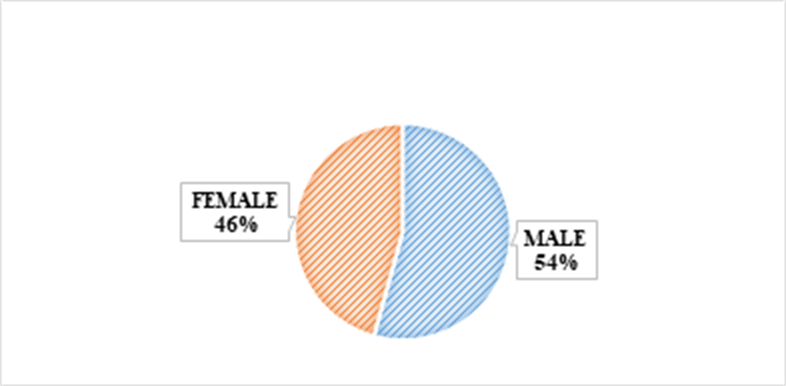
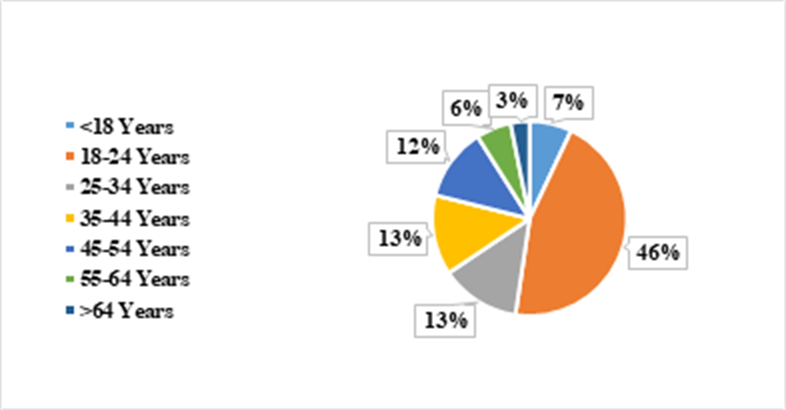
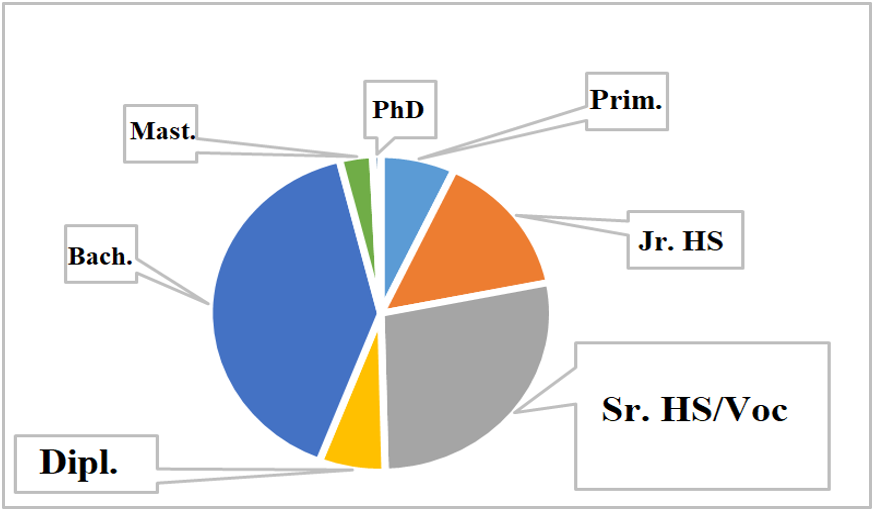
Table 5: The data normality test results
| One-Sample Kolmogorov-Smirnov Test | |||||
|---|---|---|---|---|---|
| Knowledge | Attitude | Perception | |||
| N | 256 | 256 | 256 | ||
| Normal Parametersa,b | Mean | 5.1227 | 6.6959 | 5.3549 | |
| Std. Deviation | 0.44787 | 0.31446 | 0.26731 | ||
| Absolute | 0.081 | 0.059 | 0.079 | ||
| Most Extreme Differences | Positive | 0.080 | 0.052 | 0.070 | |
| Negative | -0.081 | -0.059 | -0.079 | ||
| Test Statistic | 0.081 | 0.059 | 0.079 | ||
| Asymp. Sig. (2-tailed) | 0.000c | 0.033c | 0.001c | ||
| Monte Carlo Sig. (2-tailed) | Sig. | 0.075d | 0.334d | 0.085d | |
| 99% Confidence Interval | Lower Bound | 0.068 | 0.322 | 0.078 | |
| Upper Bound | 0.081 | 0.346 | 0.092 | ||
4.2.2. Hypothesis test results
Statistical analysis using t-test and ANOVA was conducted to test hypotheses regarding public knowledge, attitudes, and perceptions of biofuels.
a)Knowledge level
The mean level of public knowledge about biofuels did not significantly differ from the expected value. However, significant differences were observed across age, education, and gender groups, as indicated by p-values below 0.05 in the ANOVA and t-test results.
b)Attitude level
The mean level of public attitude toward biofuels did not significantly differ from the expected value. In addition, no significant differences were observed across age, education, and gender groups, as indicated by p-values above 0.05 in the ANOVA and t-test results.
c)Perception level
The mean level of public perception regarding biofuel acceptance did not significantly differ from the expected value. However, ANOVA and t-test results showed a significant difference by age (p < 0.05), whereas education and gender were not significant (p > 0.05).
4.3. Public knowledge
Biofuel production for power and transportation continues to be widely studied from technical and feedstock perspectives43). In this study, public knowledge was examined in relation to the use of biofuels in the transportation sector. The findings show that public knowledge about the use of B20 in the transportation sector remains low. Most respondents possessed only superficial information regarding renewable energy, such as general definitions and raw materials, indicating the need for improved public education through training and targeted information dissemination. Interview results further revealed that many respondents were encountering detailed information on biofuels for the first time.
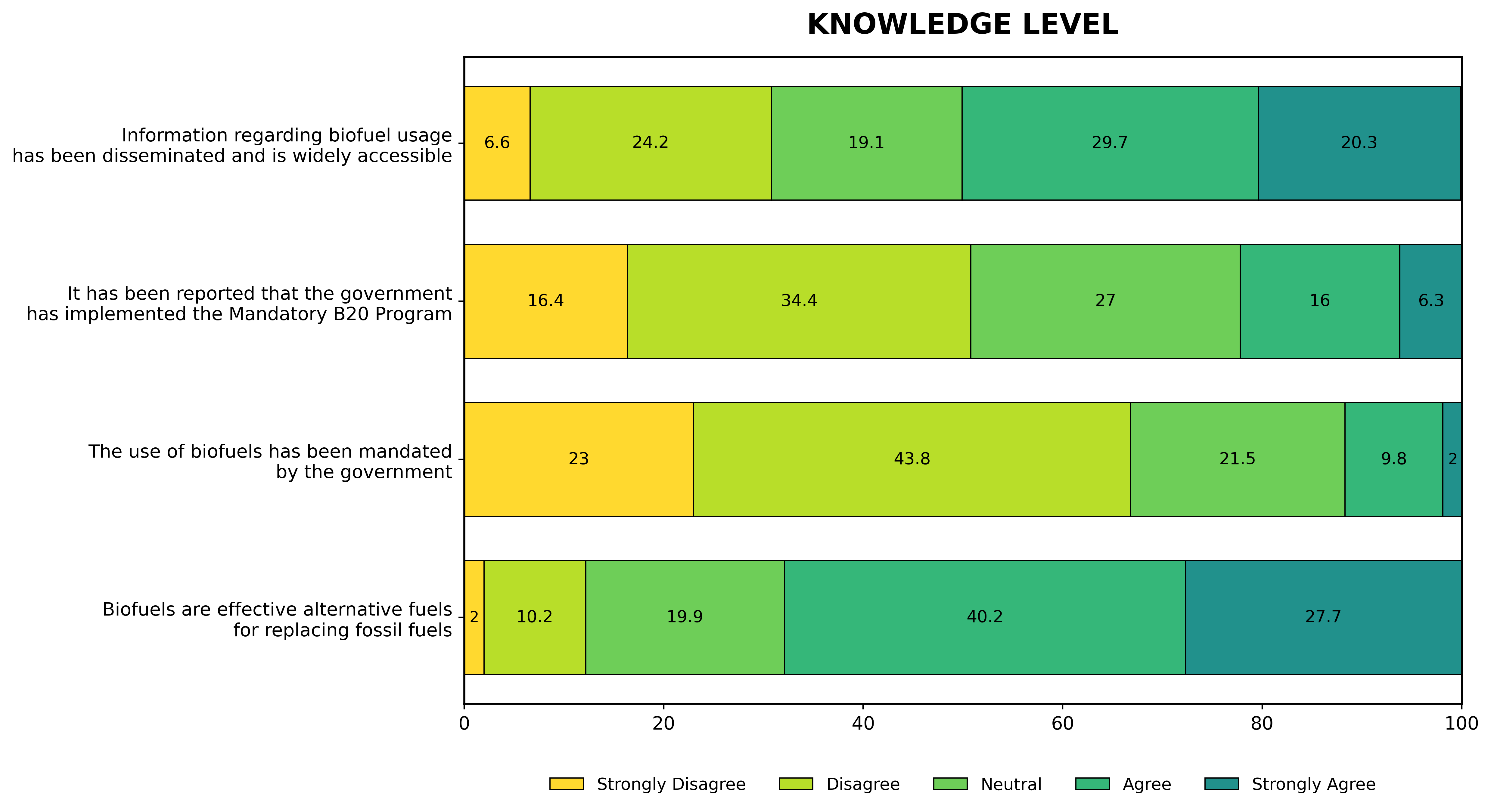
The findings also show that most respondents did not fully understand government policies mandating biofuel use, particularly the B20 program. More than 60% of respondents had never heard of this policy, as illustrated in Figure 2, a result consistent with previous studies on public attitudes toward biofuels and government policy choices in the United States40). Limited access to information remains a major factor contributing to low public knowledge of biofuel use in the transportation sector. Therefore, stronger government efforts in public outreach and education are essential to enhance energy awareness, support national energy security, and reduce dependence on fossil fuels.
4.4. Public attitudes
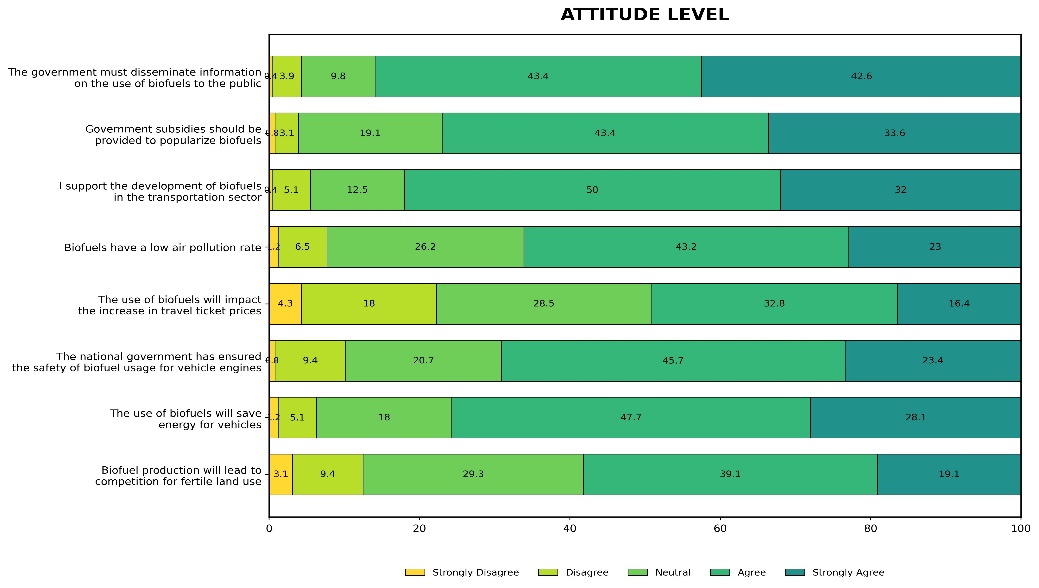
Public attitudes in this study were measured in relation to responses to the use of biofuels in the bus and train transportation sector. Previous research has also examined user acceptance of renewable fuels in commercial transportation44). Figure 3 shows that 36.8% and 27.5% of respondents agreed and strongly agreed, respectively, indicating generally positive public attitudes toward biofuel use.
However, many respondents expressed concerns that biofuel feedstocks derived from specific crops, such as palm oil for B20 biodiesel, could increase competition for fertile land and affect food prices. To address these concerns, respondents emphasized the importance of developing biofuels from non-food sources, including waste and other alternative materials, to minimize land-use competition.
The public generally believes that biofuels are energy-efficient, safe for vehicles, and produce lower emissions than fossil fuels. However, respondents also emphasized the need for government-led safety testing before widespread distribution. Concerns were also raised regarding biofuel prices and availability at fuel stations, as higher costs reduce public interest. Previous research in commercial transportation likewise identifies knowledge, costs, infrastructure, and policy stability as relevant to user acceptance44).
4.5. Public perception
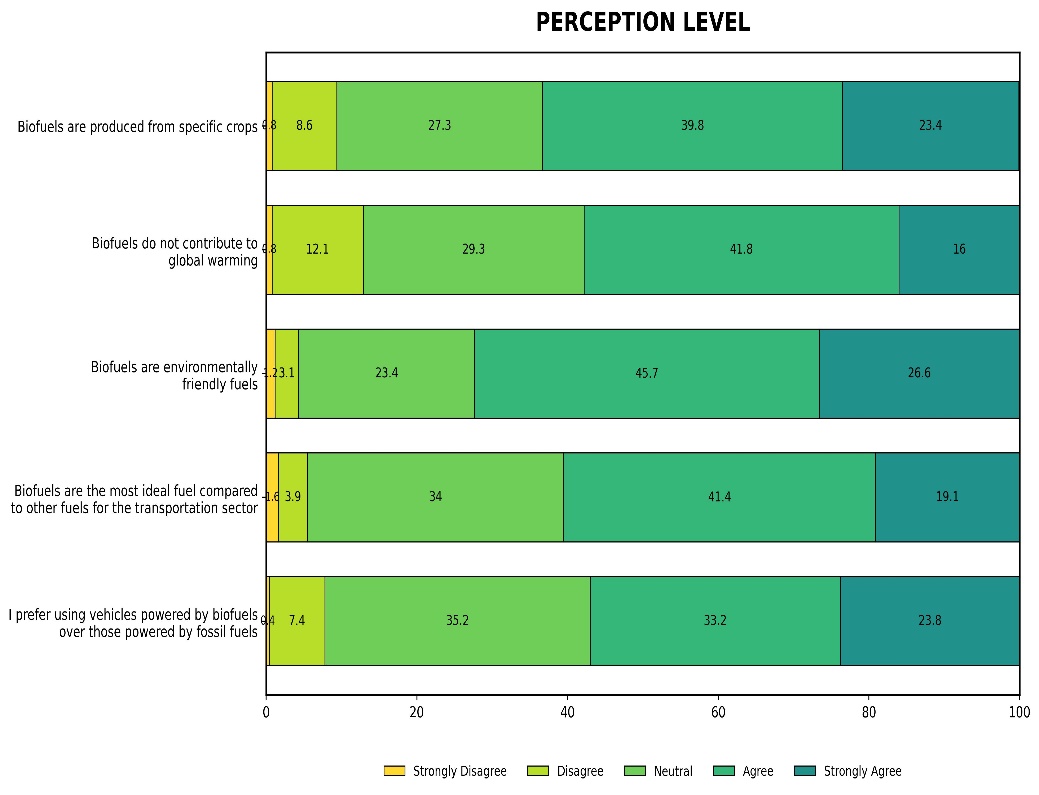
Public perceptions on the use of biofuels in the transportation sector were also examined in this study45). Based on Azwar’s categorization, public perception was classified as high, with 40.4% and 21.8% of respondents falling into the agree and strongly agree categories, respectively, as shown in Figure 4.
Public perception was influenced by age differences, reflecting variations in viewpoints across age groups, while education level and gender showed no significant effect. Respondents from different educational backgrounds and genders exhibited similar perceptions of biofuel acceptance. This finding indicates that transportation powered by biofuels is perceived more favorably than transportation that relies solely on fossil fuels. This perception is associated with the belief that biofuels are more environmentally friendly, produce lower greenhouse gas emissions, and can serve as an alternative fuel for the transportation sector.
However, the public also recommends that biofuel feedstocks should be obtained from specific crops such as oil palm, jatropha, and sugarcane to avoid competition for fertile land and increases in food prices. It is also expected that the government, in developing biofuels, will seek alternatives from non-food materials. These findings are in line with previous studies showing that acceptance of biofuel-related technologies is shaped by awareness, perceived benefits, stakeholder perspectives, and policy context45,46).
4.6. Limitations
This study has limitations in terms of sample coverage, data collection period, and analytical approach. Since the experiment was conducted only in Surakarta among bus and train users, the results could not be directly generalized to represent the perceptions of the Indonesian population at the national level. Additionally, the use of cross-sectional questionnaire-based data suggested that the results should be interpreted as a snapshot of perceptions at a single point in time, rather than evidence of causal relationships. The data collected in 2019 should also be interpreted with consideration of possible changes in policies and increased public exposure to information about biofuels in subsequent years. However, the results still provide an important preliminary overview of public knowledge, attitudes, and perceptions regarding biofuels in the transport sector.
5. Conclusion
In conclusion, the use of biofuels (solid, liquid, and gaseous fuels obtained from organic matter) is important to decrease carbon dioxide emissions in transport. However, there is limited public awareness of the use of biofuels. The knowledge level of the younger age group, less than 18 years and 18-24 years, was comparable. However, there was a significant difference in older age groups in a survey of 256 respondents. Knowledge was dependent on educational level, with 28% of the respondents having completed vocational high school, and 40% had university education. More than 60% of respondents had little knowledge of NR and energy management, with males having slightly more knowledge than females (54% versus 46%).
As regards public attitudes and perceptions on biofuel use, the statistical analysis showed a generally high level of attitudes, with "agree" (36.8%) and "strongly agree" (27.5%) results. Responses for public perception were also similar, with 40.4% in the agree category and 21.8% in the strongly agree category. Meanwhile, the majority of respondents acknowledged the high dependence on fossil fuels for transport. Knowledge about biofuel blending in diesel was low due to the lack of public information and limited policy communication.
These results reflect the need to improve access to information and better educate the public about the use of biofuels. There is a need for more systematic communication from government and related institutions to increase awareness, while addressing concerns that the public has about land use, food security, fuel safety, and availability. Increasing awareness through government and institutional action is also crucial to support national energy security, facilitate the adoption of biofuels in the transport sector, and ensure that public behaviors become more environmentally friendly, bolstering the social legitimacy of the energy transition in Indonesia.
Acknowledgments
The authors would like to gratefully acknowledge Universitas Sebelas Maret with Grant Number: 371/UN27.22/PT.01.03/2026 through the Research Capacity Strengthening Scheme for Research Groups (PKGR-UNS) A; the Institute for Research and Community Service (LPPM) Universitas Sebelas Maret; Ministry of Higher Education, Science and Technology.
Ethics Statement
This study followed the ethical principles for anonymous, non-interventional, and minimal-risk survey research. Participation was voluntary, informed consent was obtained from all respondents, and respondents’ anonymity and confidentiality were maintained by collecting no personally identifiable information and reporting the data only in aggregate form.
Appendix A. Background Information
| Age group (......) Under 18 y.o. (......) 18 – 24 y.o. (......) 25 - 34 y.o | (......) 35 – 44 y.o. (......) 45 – 54 y.o. (......) 55 – 64 y.o. | (......) Over 64 y.o. |
|---|---|---|
| Education level (......) Elementary school (......) Middle school (......) High school/Vocational school | (......) Diploma (......) Bachelor’s (......) Master’s | (......) Doctoral |
| Gender (......) Male | (......) Female | |
| Bus usage frequency (......) Every day (......) 2-3 times/week | (......) Once a week (......) 2-3 times/month | (......) Rarely/once a month |
| Bus trip duration (......) Less than 1 hour (......) 1-2 hours | (......) 3-4 hours (......) 5-6 hours | (......) More than 6 hours |
| Bus trip distance (......) Less than 5 km (......) 5-10 km | (......) 11-15 km (......) 16-20 km | (......) More than 20 km |
| Train usage frequency (......) Every day (......) 2-3 times/week | (......) once a week (......) 2-3 times/month | (......) Rarely/once a month |
| Train trip duration (......) Less than 1 hour (......) 1-2 hours | (......) 3-4 hours (......) 5-6 hours | (......) More than 6 hours |
| Train trip distance (......) Less than 10 km (......) 10-15 km | (......) 15-20 km (......) 20-25 km | (......) More than 25 km |
Appendix B. Questionnaire
No | Statement | SA | A | N | D | SD |
|---|---|---|---|---|---|---|
| 1. | I have heard of biofuels (fuels made from plant-based materials) such as biogas, biomass, biodiesel, bioethanol, etc. | |||||
| 2. | I have heard that the government has implemented a B20 Mandatory Program (20% Biodiesel + 80% Diesel Blend). | |||||
| 3. | I don't get enough information about the use of biofuels for transportation. | |||||
| 4. | I don't know that the use of biofuels has been mandated by the government. | |||||
| 5. | I don't know enough about the use of biofuels for bus and train transportation. | |||||
| 6. | I know that biofuels are a good alternative fuel to replace fossil fuels. | |||||
| 7. | Increasing biofuel production will lead to competition for the use of fertile land. | |||||
| 8. | I believe that the use of biofuels will save energy for buses and trains. | |||||
| 9. | I believe that the national government has ensured the safety of using biofuels for bus and train engines. | |||||
| 10. | The use of biofuels in bus and train transportation will lead to an increase in ticket prices. | |||||
| 11. | Biofuel has low air pollution. | |||||
| 12. | I support the development of biofuels in the bus and train transportation sector. | |||||
| 13. | Sufficient supply (not scarce) motivates me to use biofuels. | |||||
| 14. | The government should subsidize biofuels to popularize them. | |||||
| 15. | The government should disseminate information to the public to popularize biofuels. | |||||
| 16. | I prefer to travel by bus and train that use biofuels rather than fossil fuels. | |||||
| 17. | I agree that biofuels are the most ideal fuel compared to other fuels for the transportation sector. | |||||
| 18. | Biofuels are a good fuel to make transportation more environmentally friendly. | |||||
| 19. | Biofuels do not contribute to global warming. | |||||
| 20. | In my opinion, it is better for biofuels to be produced from specific plants such as oil palm, castor, and sugarcane. |
References
- X. Wang, H.B. Hu, X. Zheng, W. Bin Deng, J.Y. Chen, S. Zhang, and C. Cheng, “Will climate warming of terrestrial ecosystem contribute to increase soil greenhouse gas fluxes in plot experiment? a global meta-analysis,” Sci. Total Environ., 827 154114 (2022). doi:10.1016/j.scitotenv.2022.154114.
- Sunarti, F.K. Sunaryo, B.E. Prasetyo, C.B. Kurniadi, I. Setiadi, Q. Rabbani, P.A. Fajarwati, and S. Hernawati, “Energy-Sector GHG Emissions Inventory 2020,” Center for Data and Information Technology, Ministry of Energy and Mineral Resources, Jakarta, Indonesia (2020). https://www.esdm.go.id/assets/media/content/content-inventarisasi-emisi-gas-rumah-kaca-sektor-energi-tahun-2020.pdf.
- P. Friedlingstein et al., “Global Carbon Budget 2023,” Earth Syst. Sci. Data, 15 (12) 5301–5369 (2023). doi:10.5194/essd-15-5301-2023.
- A. Raihan, M.I. Pavel, D.A. Muhtasim, S. Farhana, O. Faruk, and A. Paul, “The role of renewable energy use, technological innovation, and forest cover toward green development: evidence from Indonesia,” Innov. Green Dev., 2 (1) 100035 (2023). doi:10.1016/j.igd.2023.100035.
- A. Nugraha, H. Siregar, I. Fahmi, and Z. Asikin, “Assessment of indonesia’s position on the net zero emission,” IOP Conf. Ser. Earth Environ. Sci., 1395 (1) 012007 (2024). doi:10.1088/1755-1315/1395/1/012007.
- P. Gegg, and V. Wells, “The development of seaweed-derived fuels in the uk: an analysis of stakeholder issues and public perceptions,” Energy Policy, 133 (January) 110924 (2019). doi:10.1016/j.enpol.2019.110924.
- B. Dhinesh, Y. Maria Ambrose Raj, C. Kalaiselvan, and R. KrishnaMoorthy, “A numerical and experimental assessment of a coated diesel engine powered by high-performance nano biofuel,” Energy Convers. Manag., 171 (June) 815–824 (2018). doi:10.1016/j.enconman.2018.06.039.
- J. Jansson, and Z. Rezvani, “Public responses to an environmental transport policy in sweden: differentiating between acceptance and support for conventional and alternative fuel vehicles,” Energy Res. Soc. Sci., 48 (October 2018) 13–21 (2019). doi:10.1016/j.erss.2018.09.009.
- H.A. Alalwan, A.H. Alminshid, and H.A.S. Aljaafari, “Promising evolution of biofuel generations. subject review,” Renew. Energy Focus, 28 (March 2019) 127–139 (2019). doi:10.1016/j.ref.2018.12.006.
- P.A. Cremonez, M. Feroldi, A. Feiden, J. Gustavo Teleken, D. José Gris, J. Dieter, E. De Rossi, and J. Antonelli, “Current scenario and prospects of use of liquid biofuels in south america,” Renew. Sustain. Energy Rev., 43 352–362 (2015). doi:10.1016/j.rser.2014.11.064.
- C.H. Brito Cruz, G. Mendes Souza, and L.A. Barbosa Cortez, “Biofuels for Transport,” in: Future Energy, 2nd ed., Elsevier, 2014: pp. 215–244. doi:10.1016/B978-0-08-099424-6.00011-9.
- H.K. Jeswani, A. Chilvers, and A. Azapagic, “Environmental sustainability of biofuels: a review,” Proc. R. Soc. A, 476 (2243) 20200351 (2020). doi:10.1098/rspa.2020.0351.
- R.C. Rial, “Biofuels versus climate change: exploring potentials and challenges in the energy transition,” Renew. Sustain. Energy Rev., 196 114369 (2024). doi:10.1016/j.rser.2024.114369.
- Government of Indonesia, “Government Regulation No. 79/2014 on National Energy Policy,” (2014). https://peraturan.bpk.go.id/Details/5523/pp-no-79-tahun-2014
- Ministry of Energy and Mineral Resources, “Handbook of Energy & Economic Statistics of Indonesia 2022,” Jakarta, Indonesia (2023). https://www.esdm.go.id/assets/media/content/content-handbook-of-energy-and-economic-statistics-of-indonesia-2022.pdf
- M. Jazuli, and A.A. Wibowo, “Biodiesel as a Renewable Energy Source: Current Processes and Technologies,” DISTILAT J. Teknol. Separasi, 6 (2) 445–450 (2020). doi:10.33795/distilat.v6i2.154.
- President of Indonesia, “Presidential Instruction No. 1/2006 on Biofuel Provision and Utilization,” (2006). https://jdih.esdm.go.id/dokumen/view?id=287
- President of Indonesia, “Presidential Regulation No. 5/2006 on National Energy Policy,” (2006). https://peraturan.bpk.go.id/Details/41945/perpres-no-5-tahun-2006
- Ministry of Energy and Mineral Resources, “Ministerial Regulation No. 41/2018 on Biodiesel Provision and Utilization,” Indonesia (2018). https://jdih.esdm.go.id/dokumen/view?id=1834
- Ministry of Energy and Mineral Resources, “Strengthening Energy Security, Government Optimizes Biodiesel Utilization,” Press Release (2024). https://www.esdm.go.id/id/media-center/arsip-berita/wujudkan-ketahanan-energi-pemerintah-optimalkan-pemanfaatan-biodiesel (accessed April 4, 2026).
- A.F. Widrian, B.S. Arifianto, Nurbaiti, and N.A. Sasongko, “Review of biodiesel policy in indonesia,” IOP Conf. Ser. Earth Environ. Sci., 1034 (1) (2022). doi:10.1088/1755-1315/1034/1/012062.
- T. Yasinta, and M. Karuniasa, “Palm oil-based biofuels and sustainability in Indonesia: assess social, environmental and economic aspects,” IOP Conf. Ser. Earth Environ. Sci., 716 (1) 012113 (2021). doi:10.1088/1755-1315/716/1/012113.
- S. Løkke, E. Aramendia, and J. Malskær, “A review of public opinion on liquid biofuels in the EU: current knowledge and future challenges,” Biomass Bioenergy, 150 106094 (2021). doi:10.1016/j.biombioe.2021.106094.
- M.M.E. Moula, J. Nyári, and A. Bartel, “Public acceptance of biofuels in the transport sector in finland,” Int. J. Sustain. Built Environ., 6 (2) 434–441 (2017). doi:10.1016/j.ijsbe.2017.07.008.
- J.D. Pagliuso, “Biofuels for spark-ignition engines,” in: Adv. Direct Inject. Combust. Engine Technol. Dev., Woodhead Publishing Limited, 2010: pp. 229–259. doi:10.1533/9781845697327.229.
- M. Mofijur, M.G. Rasul, J. Hyde, and M.M.K. Bhuyia, “Role of biofuels on ic engines emission reduction,” Energy Procedia, 75 886–892 (2015). doi:10.1016/j.egypro.2015.07.211.
- P.E.V. Paul, V. Sangeetha, and R.G. Deepika, “Emerging trends in the industrial production of chemical products by microorganisms,” in: Recent Developments in Applied Microbiology and Biochemistry, Academic Press, 2019: pp. 107–125. doi:10.1016/B978-0-12-816328-3.00009-X.
- M.S. Elshahed, “Microbiological aspects of biofuel production: current status and future directions,” J. Adv. Res., 1 (2) 103–111 (2010). doi:10.1016/j.jare.2010.03.001.
- Ministry of Mines and Energy, “RenovaBio: MME Announces Greenhouse Gas Emission Reduction Targets of 10% by 2028,” Brazil (2018). https://www.gov.br/mme/pt-br/assuntos/noticias/renovabio-mme-anuncia-as-metas-de-reducao-de-emissoes-de-gases-de-efeito-estufa-em-10-ate-2028
- Ministry of Petroleum and Natural Gas, Government of India, “National Policy on Biofuels – 2018,” New Delhi, India (2018). https://mopng.gov.in/files/uploads/NATIONAL_POLICY_ON_BIOFUELS-2018.pdf
- Queensland Government, “Queensland Biofuels Mandates,” Australia. https://www.business.qld.gov.au/industries/manufacturing-retail/retail-wholesale/selling-fuel-qld/qld-biofuels-mandates (accessed September 27, 2026).
- J. Mikulasova, “Czech Republic Biofuels Annual 2015,” USDA Foreign Agricultural Service, GAIN Report EZ1509, Prague, Czech Republic (2015). https://apps.fas.usda.gov/newgainapi/api/report/downloadreportbyfilename?filename=Biofuels%20Annual%202015_Prague_Czech%20Republic_7-29-2015.pdf
- European Commission, “Biofuels,” Directorate-General for Energy, European Union. https://energy.ec.europa.eu/topics/renewable-energy/bioenergy/biofuels_en (accessed September 27, 2026).
- National Energy Administration of China, “Implementation Plan for Expanding Biofuel Ethanol Production and Promoting the Use of Ethanol Gasoline for Vehicles,” China (2017). https://www.nea.gov.cn/2017-09/13/c_136606035.htm
- S. Preechajarn and P. Prasertsri, “Thailand Biofuels Annual 2018,” USDA Foreign Agricultural Service, GAIN Report TH8165, Bangkok, Thailand (2018). https://apps.fas.usda.gov/newgainapi/api/report/downloadreportbyfilename?filename=Biofuels%20Annual_Bangkok_Thailand_12-19-2018.pdf
- A.G. Wahab, “Malaysia Biofuels Annual 2019,” USDA Foreign Agricultural Service, Kuala Lumpur, Malaysia (2019). https://apps.fas.usda.gov/newgainapi/api/Report/DownloadReportByFileName?fileName=Biofuels%20Annual_Kuala%20Lumpur_Malaysia_10-28-2019
- Ministry of Mines and Energy of Colombia, “Resolution 40185 of 2018 Establishing the Fuel-Ethanol Blending Percentage in Regular and Premium Gasoline,” Colombia (2018). https://normas.cra.gov.co/gestor/docs/resolucion_minminas_40185_2018.htm
- V. Filimonau, M. Mika, and R. Pawlusiński, “Public attitudes to biofuel use in aviation: evidence from an emerging tourist market,” J. Clean. Prod., 172 3102–3110 (2018). doi:10.1016/j.jclepro.2017.11.101.
- A. Milani, F. Dessi, and M. Bonaiuto, “A meta-analysis on the drivers and barriers to the social acceptance of renewable and sustainable energy technologies,” Energy Res. Soc. Sci., 114 103624 (2024). doi:10.1016/j.erss.2024.103624.
- A.B. Delshad, L. Raymond, V. Sawicki, and D.T. Wegener, “Public attitudes toward political and technological options for biofuels,” Energy Policy, 38 (7) 3414–3425 (2010). doi:10.1016/j.enpol.2010.02.015.
- S. Azwar, “Research Methodology,” Pustaka Pelajar, Yogyakarta, Indonesia (2015).
- W. Chaiyapa, K.N. Nguyen, A. Ahmed, Q.T.H. Vu, M. Bueno, Z. Wang, K.T. Nguyen, N.T. Nguyen, T.T. Duong, U.T.T. Dinh, A. Sjögren, P.T. Kim Le, T.D. Nguyen, H.T.A. Nguyen, I. Ikeda, and M. Esteban, “Public perception of biofuel usage in vietnam,” Biofuels, 12 (1) 21–33 (2021). doi:10.1080/17597269.2018.1442667.
- F. Jamil, A. Inayat, M. Hussain, P. Akhter, Z. Abideen, C. Ghenai, A. Shanableh, and T.M.M. Abdellatief, “Valorization of waste biomass to biofuels for power production and transportation in optimized way: a comprehensive review,” Adv. Energy Sustain. Res., 5 (10) 2400104 (2024). doi:10.1002/aesr.202400104.
- I. Frenzel, J.E. Anderson, A. Lischke, and C. Eisenmann, “Renewable fuels in commercial transportation: identification of early adopter, user acceptance, and policy implications,” Case Stud. Transp. Policy, 9 (3) 1245–1260 (2021). doi:10.1016/j.cstp.2021.06.010.
- T. Tjahjono, A. Kusuma, M. Adhitya, R.Y. Purnomo, T. Azzahra, A.J. Purwanto, and G. Mauramdha, “Public perception pricing into vehicle biofuel policy in Indonesia,” Int. J. Technol., 12 (6) 1239–1249 (2021). doi:10.14716/IJTECH.V12I6.5219.
- J. Varela Villarreal, C. Burgués, and C. Rösch, “Acceptability of genetically engineered algae biofuels in europe: opinions of experts and stakeholders,” Biotechnol. Biofuels, 13 (1) 92 (2020). doi:10.1186/s13068-020-01730-y.