
Abstract
In response to growing interest in healthy and sustainable diets, this study extends the Theory of Planned Behavior (TPB) by integrating health self-identity (HSI) alongside attitude (ATT), subjective norm (SN), and perceived behavioral control (PBC) to examine Indonesian consumers' organic food purchase intentions, with trust and habitual behavior serving as mediating variables. A structured survey was administered to 110 organic food consumers across Indonesia, and data were analyzed using Partial Least Squares Structural Equation Modeling (PLS-SEM) via SmartPLS 4.0 -- a variance-based approach particularly suited for predictive modeling with complex multi-construct frameworks and smaller sample sizes, requiring no distributional assumptions. Structural model results indicate that subjective norms significantly influence trust (beta = 0.299, p = 0.003), perceived behavioral control significantly influences habitual behavior (beta = 0.395, p < 0.001), and health self-identity significantly influences habitual behavior (beta = 0.288, p = 0.001). Furthermore, both trust (beta = 0.294, p = 0.003) and habitual behavior (beta = 0.424, p < 0.001) significantly influence purchase intention. Notably, attitude did not demonstrate a significant direct effect on either trust or habitual behavior in the Indonesian context. These findings highlight the importance of integrating HSI into the TPB framework and suggest that interventions targeting perceived behavioral control and health-conscious self-identity can effectively promote organic food consumption habits and, consequently, purchase intentions. Future research is recommended to apply multigroup analysis (MGA) to explore segment-specific differences across diverse demographic groups and to extend the model to broader cultural and generational contexts beyond the present Indonesian sample.
Keywords: health self-identity, Indonesian customers, organic food products, PLS-SEM, theory of planned behavior
Outline
1. Introduction
In recent years, responsible consumers have become increasingly aware of their role in participating in development that meets sustainability principles. Therefore, consumers pay attention to quality and how limited agricultural resources must be managed efficiently and effectively. Thus, sustainable development can be achieved without using up many resources1). One of the principles of responsible consumption is organic food. In organic food, consumers are offered agricultural products based on pro-environmental and pro-social characteristics2).
The development of consumer interest in organic food is still minimal, especially in Indonesia. Indonesia’s organic food sector remains limited in scale, with current estimates indicating that the country has only 5,810 producers and 283 processors of organic food products3). In Indonesia, organic foods occupy a premium segment of the market and command higher prices than their conventional counterparts4). The growing adoption of sustainable agricultural practices in Indonesia further reflects a broader shift toward environmentally conscious food production5), underscoring the importance of understanding how consumers form intentions to purchase organically produced food. Therefore, the organic farming sector in Indonesia continues to fall short of meeting consumer demand, underscoring its limited production capacity6).
Thus, a psychosocial study is needed to determine the driving factors for the purchase intention of organic food products in Indonesia. The theory that can explain purchase intention is the TPB model. The Theory of Planned Behavior (TPB) is a well-established paradigm for understanding consumer behavior, and it serves as a theoretical foundation for the present study7). Initially developed by Ajzen (1991)8), the TPB has been widely applied to explain various consumer behaviors, including organic food consumption. As an extension of the Theory of Reasoned Action, the TPB posits that an individual’s intention to perform a given behavior is determined by three key factors: attitude (A) toward the behavior, subjective norm (SN), and perceived behavioral control (PBC). The addition of perceived behavioral control to the original TRA model significantly enhances its predictive ability by accounting for influences beyond attitudes and subjective norms. This extension recognizes that behavior is not entirely under an individual’s volitional control and thus depends in part on the perceived availability of resources and opportunities required to perform the behavior.
Several prior studies have applied the TPB framework to investigate organic food purchase intentions across diverse cultural contexts, providing an important empirical foundation for the present research. At the global level, Nardi et al. (2019) conducted a meta-analysis of 78 TPB-based food choice studies, confirming that TPB constructs reliably predict food purchase decisions and explain substantial variance in purchase intentions9). In the Asian context, Saxena and Vij (2024) demonstrated that attitude and subjective norm significantly influence organic food purchase intentions in India 7), while Pang et al. (2021) extended the TPB with protection motivation theory in a Malaysian sample, highlighting the additional role of health-related concerns in shaping organic food decisions10). In the Indonesian context specifically, Najib et al. (2022) identified individual and socio-cultural factors as significant determinants of organic food purchase intentions among middle-class consumers, underscoring the unique psychosocial dynamics of the Indonesian market3). Furthermore, Sultan et al. (2020) demonstrated the mediating role of trust in bridging the intention-behavior gap within a TPB framework applied to organic food11), while Michaelidou and Hassan (2008) showed that health self-identity shapes organic food attitudes and purchase intentions through an identity-based lens12). Despite these contributions, studies that simultaneously incorporate identity-based factors (HSI) alongside dual behavioral mediators (trust and habitual behavior) within the TPB framework particularly in the Indonesian demographic context remain scarce.
The global organic food market has a high market value and shows significant growth. According to the World of Organic Agriculture report for 2025, the global organic market was valued at €120.6 billion in 2020 and is projected to increase to €145.0 billion by 2024. In America, the organic food market also saw a 5.2% increase in certified organic food sales in 202413). In Indonesia, although the market value of organic food is still relatively small compared to developed countries, there has been a significant increase in market growth with an estimated annual growth rate between 7.8% and 11.5%. The increase in consumer awareness about health, concerns about chemical residues, environmental awareness, and other factors are believed to be driving the growth of the organic food market in recent years.
However, despite the growing interest in organic food consumption, research exploring the influence of psychosocial factors in the Indonesian context remains limited. The diversity of ethnic groups and educational levels, coupled with a large population, creates unique psychosocial factors in the consumption of organic food, particularly based on the Theory of Planned Behavior (TPB). Therefore, this study addresses this gap by integrating health self-identity into the TPB framework to understand better the determinants of purchase intention toward organic food among Indonesian consumers. Health Self-Identity describes a series of individual habits that are formed over time and are related to self-concept14). In the context of organic food, health self-identity can explain how consumers identify themselves as healthy eaters and tend to make healthier food choices15).
2. Literature Review and Hypothesis Development
2.1. Planned Behaviors
In 1985, social psychologist Icek Ajzen proposed the Theory of Planned Behavior (TPB) as a framework to explain how attitudes can ultimately shape behavior16). This theory was formulated as an extension of the earlier Theory of Planned Action (TRA), with the notable addition of the construction of perceived behavioral control. Additionally, TPB draws on insights from several foundational attitude theories, including learning theory, expectancy-value theory, cognitive consistency theories, and attribution theory, to offer a more comprehensive account of the attitude-behavior relationship.
According to TPB, an individual’s behavioral intention is the immediate antecedent of actual behavior. This intention, in turn, is determined by three primary factors: the person’s attitude toward the behavior, the subjective norms (i.e., the perceived social pressure from others), and the perceived behavioral control (i.e., one’s perceived ability to perform the behavior successfully). To date, TPB has been widely applied across diverse disciplines, including in research on pro-environmental behaviors and sustainability issues8). Notably, the theory posits that attitude, subjective norm, and perceived behavioral control influence behavior only indirectly – they shape the individual’s intention to act, which then mediates their effect on the actual behavior outcome16).
2.1.1. Attitudes toward trust in organic food products
Consumer attitudes, both positive and negative, can change consumer trust in a product17,18). Attitudes have a direct influence on trust. Several other studies have stated that attitudes toward the services will increase trust in a brand and the company providing the service19,20). Based on this, this study proposes the following hypothesis:
H.1. Attitude has a significant effect on Trust
2.1.2. Subjective norms toward trust in organic food products
In the present study, subjective norms are identified as a key determinant of consumer trust levels. This proposition is consistent with the findings of Li et al. (2008), who observed that when individuals lack familiarity with a product, they tend to depend on input from those whose opinions they value. Such reliance on significant others’ opinions provides a foundation for the individuals’ trust in the product21). In addition, previous studies have found that subjective norms directly affect trust22,23). Based on this, this study proposes the following hypothesis:
H.2. Subjective Norm has a significant effect on Trust
2.1.3. Perceived Behavioral Control toward trust in organic food products
Ajzen (1991) states that the perception of behavioral control is the degree to which an individual can control the actions that will be carried out, and how an individual can deal with factors that can inhibit a behavior that will be carried out8). Prior research provides evidence that perceived behavioral control exerts a significant positive influence on consumer trust24). Furthermore, trust has been found to mediate the relationship between perceived behavioral control and purchase intention11). Based on this, this study proposes the following hypothesis:
H.3. Perceived Behavioral Control has a significant effect on Trust
2.1.4. Attitude toward Habitual in organic food products
Verplanken & Orbell (2022) argue that habits often develop when an activity is perceived as rewarding or enjoyable, suggesting that cognitive and affective attitudes can have a positive impact on habit strength25). Meanwhile, Rebar et al. (2020) propose that although automatic processes largely govern habits, they are usually aligned with an individual's desires and intentions26). Many studies have shown that cognitive and affective attitudes toward a behavior can positively influence the intention to perform the behavior27,28). Based on this, this study proposes the following hypothesis
H.5. Attitudes have a significant effect on Habitual
2.1.5. Subjective Norm toward Habitual in Organic Food Products
Subjective norms refer to an individual's perception of the social expectations held by important others (e.g., family members, close friends, or peer groups) regarding whether they should engage in a particular behavior. This perspective underscores that people evaluate a behavior not in isolation but in light of how these significant referents view it. Consequently, an individual's own attitude or intention toward the behavior is often shaped by the evaluations and opinions expressed by those key people in their social circle29–31). Therefore, consumer habits in consuming a product will be influenced by subjective norms formed by the person's closest group. Based on this, this study proposes the following hypothesis
H.6. Subjective Norms have a significant effect on Habitual
2.1.6. Perceived Behavioral Control toward Habitual in Organic Food Products
PBC has been theorized and empirically demonstrated to have a direct influence on behavior. There is even empirical evidence from systematic observations and meta-analyses for the use of the TPB in understanding human health behavior32,33). Previous research recommends that the TPB framework include additional factors, such as habits. Habits can be measured by how often an individual performs behavior in the past. Evidence to date suggests a direct influence of past behavior on current behavior as in the TPB framework34,35). Therefore, the hypothesis proposed is
H.7. Perceived Behavioral Controls have a significant effect on Habitual
2.1.7. Trust toward Purchase Intention of organic food products
Trust is also one of the important factors in determining a person's behavioral intentions, especially in food products36). Trust encourages food purchasing intentions due to the uncertainty of the production process and the guarantee of the quality of the promised food products so that it can increase a person's behavioral intentions in choosing food products37). Therefore, the hypothesis proposed is
H.9. Trust has a significant effect on Purchase Intention
2.1.8. Habits toward Purchase Intention of Organic Food Products
Habits are learned actions that are goal-directed and usually result in perceived benefits that are repeated by consumers. Strong habits are formed by past behavior, and some habits occur automatically without consumers being aware of the habit38). Habits are cognitive constructs that unconsciously or consciously shape individuals’ behavioral predispositions. These constructs, in turn, are influenced by a combination of intrinsic (internal) and extrinsic (external) factors39). Daily habits, such as consuming organic food, can be specifically related to purchase intentions40,41). Therefore, the hypothesis proposed is
H.10. Habits have a significant effect on Purchase Intention
2.2. Health Self-Identity
Michaelidou and Hassan (2008) observed that self‐identity strongly shapes consumers’ attitudes and purchase intentions toward organic products, reflecting a commitment to maintaining a health‐conscious lifestyle12). Similarly, Moran and Sussman (2014) identified self‐identity as a key driver in the adoption of healthier lifestyles when promotional strategies effectively highlight the lifestyle’s benefits (for example, regular physical activity and environmentally friendly purchasing)42).
Self-identity is usually built in the context of a social group and can uniquely reflect a person's personality43). People who identify themselves as someone who lives a healthy lifestyle through their eating will develop a strong health consciousness and ultimately engage in habits that are consistent with health44–46). Those who identify themselves as having a healthy lifestyle believe that their lifestyle provides benefits for them, which will encourage the purchase of nutritious food products that they trust to give benefit14). Therefore, the hypothesis proposed is
H.4. Health Self-Identity has a significant effect on Trust
H.8. Health Self-Identity has a significant effect on Habitual
Figure 1 presents the hypothesis development of Indonesian customers’ intentions on organic food products. In this model, attitude (ATT), subjective norm (SN), perceived behavioral control (PBC), and health self-identity (HSI) act as antecedents of two mediating variables. Paths H.1-H.4 link the four antecedents to trust, and paths H.5-H.8 link them to habitual behavior. Paths H.9 and H.10 link trust and habitual behavior, respectively, to purchase intention. Fig. 1 represents one of these ten hypothesized paths.
2.3. Comparison with Previous Studies
To contextualize the contribution of the present study, Table 1 provides a systematic comparison of the proposed research framework and key findings against those of closely related prior studies. Table 1. Comparison of the Proposed Study with Previous Related Studies on TPB, Health Self-Identity, and Organic Food Purchase Intention.
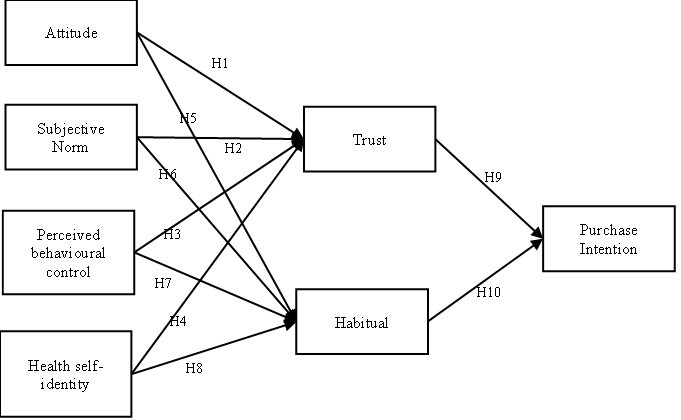
Table 1: Comparison of the Proposed Study with Previous Related Studies on TPB, Health Self-Identity, and Organic Food Purchase Intention
| No | Study (author Year) | Country | Theoretical framework | Key constructs | method | n | Key finding |
|---|---|---|---|---|---|---|---|
| 1 | Nardi et al. (2019)9) | Global (meta-analysis | Theory of Planned Behavior (TPB) | Attitude, Subjective Norm, PBC → Food Purchase Intention | Meta-analysis (78 studies) | 78 studies | TPB constructs reliably predict food purchase decisions; explains more than 50% of variance in food purchase intentions across multiple cultural contexts |
| 2 | Saxena & Vij (2024)7) | India | Theory of Planned Behavior (TPB) | Attitude, Subjective Norm, PBC → Organic Food Purchase Intention | Survey + SEM | N/A | Attitude and Subjective Norm significantly influence organic food purchase intentions among consumers in Uttarakhand, India |
| 3 | Pang et al. (2021)10) | Malaysia | TPB + Protection Motivation Theory (PMT) | Attitude, Subjective Norm, PBC, Health Concern → Organic Food Purchase Intention | SEM | 366 | Attitude and PBC significantly influence organic food purchase intention; health concern serves as an additional predictor beyond classic TPB constructs |
| 4 | Najib et al. (2022) 3) | Indonesia | Extended TPB | Individual factors, Socio-cultural factors → Organic Food Purchase Intention | SEM | 300 | Individual and socio-cultural factors are significant driving forces of organic food purchase intentions among middle-class Indonesian consumers |
| 5 | Sultan et al. (2020)11) | Australia | TPB + Trust | Attitude, Subjective Norm, PBC, Trust, Communication → Organic Food Purchase Intention | PLS-SEM | 312 | Trust mediates the relationship between PBC and purchase intention; Subjective Norm moderates the intention-behavior gap in organic food consumption |
| 6 | Michaelidou & Hassan (2008)12) | United Kingdom | Self-Identity + TPB | Health consciousness, Food safety concern, Ethical self-identity → Organic Food Attitude and Purchase Intention | Survey | 221 | Health self-identity significantly shapes consumers' attitudes and purchase intentions toward organic food products through an identity-based mechanism |
| 7 | Zahria et al. (2026) | Indonesia | TPB + Health Self-Identity (HSI), with Trust and Habitual Behavior as mediating variables | ATT, SN, PBC, HSI → Trust, Habitual Behavior → Purchase Intention | PLS-SEM (SmartPLS 4.0) | 110 | SN significantly influences Trust; PBC and HSI significantly influence Habitual Behavior; Trust and Habitual Behavior both significantly predict Purchase Intention; ATT not significant in Indonesian context. |
Note: ATT = Attitude; SN = Subjective Norm; PBC = Perceived Behavioral Control; HSI = Health Self-Identity; PI = Purchase Intention; PMT = Protection Motivation Theory; PLS-SEM = Partial Least Squares Structural Equation Modeling.
3. Material and Method
3.1. Sample and Data Collection
For this study, the questionnaire items were adapted from previously published sources to ensure content validity. Online surveys are used to collect respondents. The number of samples taken in this research was 110 organic food customers over the last year. In this research, the PLS-SEM method was used. This is based on the presence of latent/exogenous variables, which are formed with reflective and formative indicators and form a moderating effect47). The research instruments used are presented in the following Table 2.
The respondents of this study numbered 110 people, with the distribution of research respondent characteristics presented in Table 3. As shown in Table 3, the sample is predominantly composed of Generation Z (8-23 years, 60.0%) and Millennial (24-39 years, 30.0%) respondents, which together constitute approximately 90% of the total sample. This generational concentration reflects the nature of the online convenience sampling strategy employed, as younger generations tend to be more digitally accessible and responsive to online surveys. Readers are therefore encouraged to interpret the findings with this sampling constraint in mind, as the results may not fully generalize to older consumer segments (Gen X, Baby Boomers, and Silent Generation). Future research should aim for a more age-balanced sample for instance, through stratified or quota sampling to enhance the representativeness and generalizability of findings across all generational cohorts.
Table 2: Research Instrument Item, Measurement Indicators, and Corresponding Variable Symbols Used in the PLS-SEM Model
| Variable | Measurement items | Symbols |
|---|---|---|
| Attitude | 1. I think buying organic food is interesting | Att1 |
| 2. I consider organic food healthier than conventional food | Att2 | |
| 3. I prefer organic food because it tastes better than non-organic food | Att3 | |
| 4. I believe eating organic food is beneficial for my family | Att4 | |
| Subjective Norm | 1. My family members consider eating and buying organic food important | SN1 |
| 2. Most of my colleagues think that buying organic products is the right thing to do | SN2 | |
| 3. My close friends and family members would appreciate it if I bought organic food | SN3 | |
| 4. I feel confident to follow the advice of the information media (such as magazines, television, etc.) to buy organic food for my family's consumption | SN4 | |
| PBC | 1. It is easy for me to buy organic vegetables regularly | PBC1 |
| 2. I think organic food is expensive | PBC2 | |
| 3. I have the resources (money, time, and knowledge) and ability to buy organic food | PBC3 | |
| Purchase Intention | 1. I am considering buying food labelled organic for my family's consumption today | Int1 |
| 2. I want to buy organic food for the next month | Int2 | |
| 3. I intend to visit restaurants that serve organic food in the future | Int3 | |
| Behavioal | 1. I do it regularly | Hbt1 |
| 2. I do it without having to remember consciously | Hbt2 | |
| 3. I feel weird if I don't | Hbt3 | |
| 4. I don't have to think about it | Hbt4 | |
| HIS | 1. Eating organic food is an important part of who I am | HSI1 |
| 2. I would feel confused if I couldn't eat organic food | HSI2 | |
| 3. I follow health trends and will only eat organic food | HSI3 | |
| Moral | 1. I feel guilty if I don't eat organic food | MO1 |
| 2. I feel morally wrong if I don't eat organic food | MO2 | |
| 3. It goes against my principles of life if I don't eat organic food | MO3 | |
| Trust | 1. I believe that food with the organic certification logo is organic food | Trs1 |
| 2. I believe that the quality of organic food can be known from the taste or variety of organic food | Trs2 | |
| 3. I believe that eating organic food has high benefits | Trs3 | |
| Knowledge | 1. I know from the name and packaging that sometimes they are not aware | Knw1 |
| 2. I know from the taste/variety | Knw2 | |
| 3. I know the process and benefits of brown and white rice. | Knw3 |
Table 3: Demographic Characteristics of Research Respondent (n = 110)
| Characteristic | Category | F | % |
|---|---|---|---|
| Domicile | Java | 87 | 87.0 |
| Outside Java | 23 | 23.0 | |
| Gender | Male | 44 | 40 |
| Female | 66 | 60 | |
| Generation | Gen Z (8-23 yo) | 66 | 60.0 |
| Millennial (24-39 yo) | 33 | 30.0 | |
| Gen X (40-55 yo) | 9 | 8.2 | |
| Baby Boomer (56-74 yo) | 1 | 0.9 | |
| Post Gen (70 yo-now) | 1 | 0.9 | |
| Education | High School | 13 | 11.8 |
| Diploma (D1 – D4) | 3 | 2.7 | |
| Bachelor (S1) | 67 | 60.9 | |
| Postgraduate | 27 | 24.5 | |
| Occupation | Housewife | 3 | 2.7 |
| State-Owned Enterprise Employee | 1 | 0.9 | |
| Private Employee | 17 | 15.5 | |
| Civil Servant (PNS) | 9 | 8.2 | |
| Student / College Student | 76 | 69.1 | |
| Self-Employed | 4 | 3.6 | |
| Monthly Income (IDR) | ≤ 1.500.000 | 72 | 65.5 |
| 1.500.001 – 3.500.0 | 12 | 10.9 | |
| 3.500.001 – 5.000.0 | 12 | 10.9 | |
| 5.000.001 – 7.500.0 | 3 | 2.7 | |
| > 7.500.000 | 11 | 10.0 | |
| Marital Status | Unmarried | 81 | 73.6 |
| Married | 29 | 26.4 | |
| Total | 110 | 100 |
The respondents of this study numbered 110 people, with the distribution of research respondent characteristics as follows in Table 3. Most of the research respondents live on Java Island (n = 87, 87.0%), are female (n = 66, 60%), belong to Generation Z (n = 66, 60.0%), work as students or college students (n = 76, 69.1%), have a monthly income of IDR 1,500,000 or below (n = 72, 65.5%), and are unmarried (n = 81, 73.6%).
3.2. PLS-SEM Analysis Procedure
In this research, Partial Least Squares Structural Equation Modeling (PLS-SEM) was employed as the primary analytical method, using SmartPLS 4.0 software. PLS-SEM is a variance-based structural equation modeling technique that offers several methodological advantages particularly relevant to this study: (a) it is well-suited for predictive modeling of complex multi-construct frameworks; (b) it accommodates smaller sample sizes compared to covariance-based SEM (CB-SEM); (c) it makes no distributional assumptions about the data; and (d) it can simultaneously handle both reflective and formative measurement models. The presence of latent/exogenous variables formed with reflective and formative indicators further justifies the selection of PLS-SEM for this study47).
The PLS-SEM analysis was conducted in two sequential stages following the two-step procedure recommended by Hair et al. (2017)47). Stage 1: Measurement Model Assessment: This stage evaluates the psychometric properties of the constructs by examining (i) indicator reliability (factor loadings >= 0.60, following Chin (1998)48)), (ii) internal consistency reliability (composite reliability, CR > 0.70), (iii) convergent validity (average variance extracted, AVE > 0.50), and (iv) discriminant validity. Stage 2: Structural Model Assessment: This stage evaluates the path coefficients (beta), the coefficient of determination (R^2), and the statistical significance of hypothesized relationships via bootstrapping (5,000 subsamples) to test the ten proposed hypotheses.
Conceptually, the PLS-SEM measurement model for reflective indicators is expressed as:
where x ij is the i-th observed indicator of the j-th latent construct, λ ij is the outer loading (factor loading), x ij is the j-th latent variable score, and ε ij is the indicator-specific measurement error term.
The structural (inner) model linking latent variables is expressed as:
where eta j is the endogenous (dependent) latent variable, β kj is the structural path coefficient representing the effect of exogenous construct x ik on η j, and ζ j is the structural residual error term.
For the present study, the three structural equations of the model are specified as follows:
where ATT = Attitude, SN = Subjective Norm, PBC = Perceived Behavioral Control, HSI = Health Self-Identity, and the beta coefficients correspond to the path coefficients for hypotheses H.1 through H.10 respectively.
4. Result and Discussion
In SmartPLS, data analysis techniques are used to assess the outer model according to three criteria: Convergent Validity, Discriminant Validity, and Composite Reliability.
4.1. Measurement Model
The convergent validity of the reflective measurement model was assessed based on the correlation between each item's score or component score estimated using PLS software. This study employed Partial Least Squares Structural Equation Modeling (PLS-SEM) using SmartPLS 4.0 to analyze the proposed research model. PLS-SEM was chosen due to its suitability for predictive modeling and its ability to handle complex relationships with smaller sample sizes, compared to covariance-based SEM (CB-SEM). Data analysis included the assessment of measurement model reliability and validity, followed by hypothesis testing through the structural model.
A reflective indicator is considered adequate if it correlates above 0.70 with its corresponding construct. Nevertheless, Chin (1998) suggested that loading values ranging from 0.50 to 0.60 may be acceptable in exploratory research or initial scale development48). Consequently, this study adopted a minimum loading threshold of 0.60. Construct reliability and convergent validity were further evaluated using composite reliability and the Average Variance Extracted (AVE) for each construct. A construct was deemed reliable if its composite reliability exceeded 0.70 and its AVE was above 0.50.
The outer model analysis, which examines the correlations between constructs and their indicators, indicates that convergent validity is achieved, as every indicator exhibits a loading factor above 0.60. Furthermore, an indicator correlation analysis (discriminant validity) was conducted to verify that the conceptual domain of each latent variable is distinct from those of the other variables. Based on the Composite Reliability and Average Variance Extracted (AVE) results (Table 4), it can be concluded that all constructs satisfy the reliability criteria. This finding is supported by composite reliability values exceeding 0.70 and AVE values exceeding 0.50, in line with the recommended thresholds.
4.2. The Structural Model
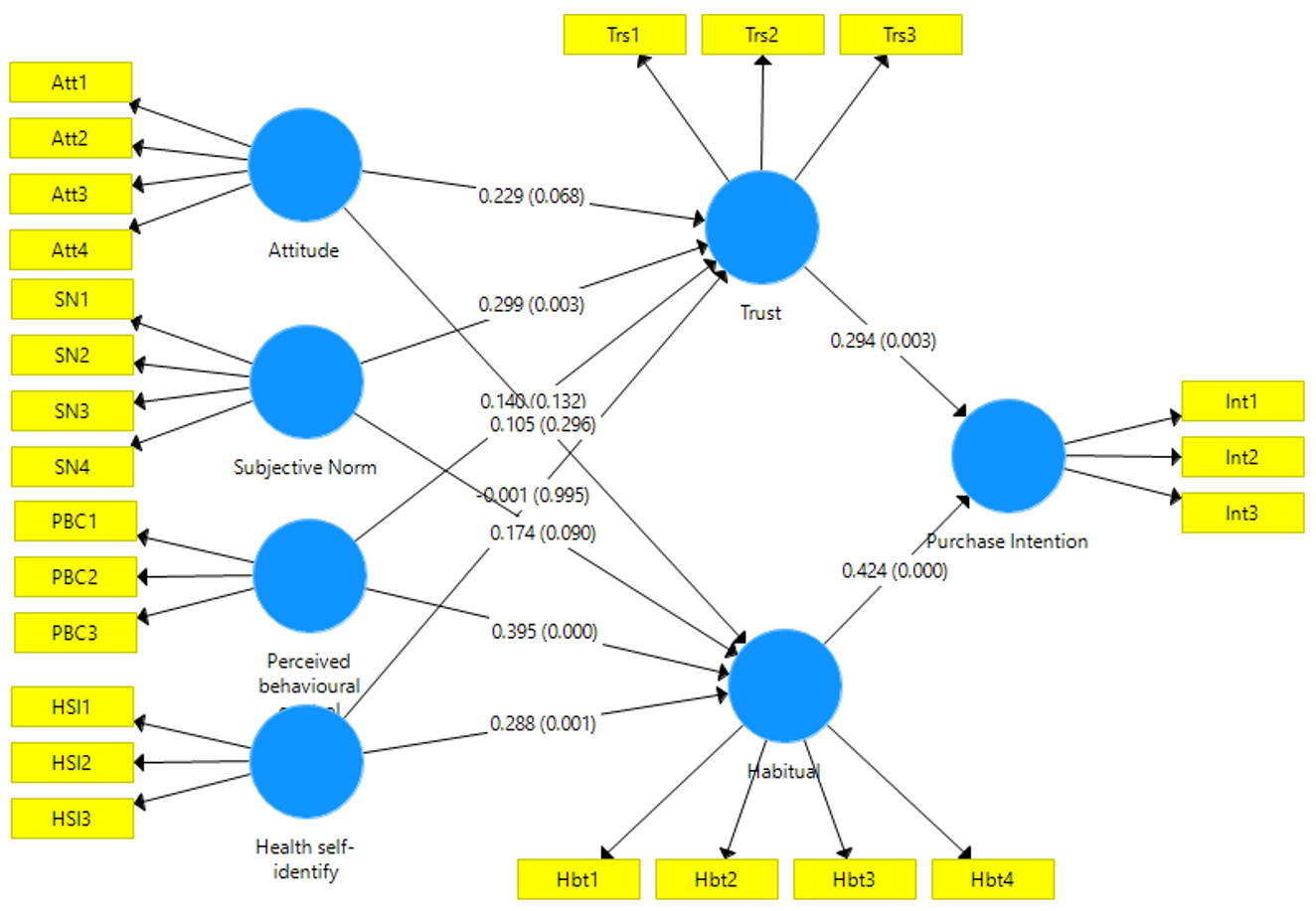
Figure 2 below presents the results of a SmartPLS analysis examining the influence of respondents’ attitudes, health self-identity, perceived behavioral control, and subjective norms on purchase intention.
The statistical significance of the estimated parameters offers valuable insights into the interrelationships among the research variables. The values reported in the inner weight output serve as the basis for hypothesis testing. Table 5 displays the estimated results relevant to the evaluation of the structural model and the outcomes of the hypothesis tests.
Table 5 presents the hypothesis testing results, with five hypotheses rejected and five hypotheses supported. The following sections discuss the results organized by the three structural equations of the model.
Table 4: Assessment of the Measurement Model: Reliability and Validity Indicators (Cronbach's Alpha, CR, AVE, Factor Loadings) for Each Construct
| Construct | Item | Cronbach's α | CR | AVE | Factor Loading |
|---|---|---|---|---|---|
| Attitude | Att1 | 0.764 | 0.85 | 0.589 | 0.701 |
| Att2 | 0.774 | ||||
| Att3 | 0.710 | ||||
| Att4 | 0.871 | ||||
| Health self-identity | HSI1 | 0.753 | 0.857 | 0.667 | 0.873 |
| HSI2 | 0.787 | ||||
| HSI3 | 0.788 | ||||
| Habitual | Hbt1 | 0.786 | 0.862 | 0.609 | 0.791 |
| Hbt2 | 0.819 | ||||
| Hbt3 | 0.772 | ||||
| Hbt4 | 0.739 | ||||
| Purchase Intention | Int1 | 0.658 | 0.813 | 0.593 | 0.679 |
| Int2 | 0.830 | ||||
| Int3 | 0.794 | ||||
| Perceived behavioural control | PBC1 | 0.81 | 0.889 | 0.729 | 0.939 |
| PBC2 | 0.861 | ||||
| PBC3 | 0.752 | ||||
| Subjective Norm | SN1 | 0.808 | 0.873 | 0.634 | 0.804 |
| SN2 | 0.824 | ||||
| SN3 | 0.723 | ||||
| SN4 | 0.829 | ||||
| Trust | Trs1 | 0.718 | 0.837 | 0.633 | 0.711 |
| Trs2 | 0.858 | ||||
| Trs3 | 0.811 |
4.2.1. Effects of ATT, SN, PBC, and HSI on Trust (H.1-H.4)
Among the hypotheses examining the antecedents of Trust, only H.2 was supported: Subjective Norm significantly influences Trust (beta = 0.299, t = 2.954, p = 0.003). This finding is consistent with Li et al. (2008), who observed that individuals rely on the opinions of significant others to establish product trust, particularly when familiarity with the product is limited21). In the context of organic food in Indonesia, social endorsement from family members, peers, and community groups plays a critical role in shaping consumers' trust in organic products.
H.1 (Attitude -> Trust, p = 0.068), H.3 (PBC -> Trust, p = 0.132), and H.4 (HSI -> Trust, p = 0.995) were all rejected at the 0.05 significance level. The non-significant effect of Health Self-Identity on Trust (H.4) may be explained by the relatively early stage of organic food market development in Indonesia, where identity-based motivations have not yet been strongly linked to institutional trust in organic certifications.
4.2.2. Effects of ATT, SN, PBC, and HSI on Habitual Behavior (H.5-H.8)
Among the hypotheses examining the antecedents of Habitual Behavior, two were supported. H.7 -- Perceived Behavioral Control significantly influences Habitual Behavior (beta = 0.395, t = 5.438, p < 0.001), indicates that consumers who perceive greater control over their resources (time, money, and knowledge) are more likely to form consistent organic food consumption habits. This aligns with Armitage and Conner (2001)32) and Hagger et al. (2002)33), who established the direct effect of PBC on behavior in the TPB meta-analytic framework.
H.8 Health Self-Identity significantly influences Habitual Behavior (beta = 0.288, t = 3.493, p = 0.001), demonstrates that individuals who identify themselves as health-conscious consumers tend to develop consistent organic food consumption habits. This finding is in line with Quaye et al. (2021), which shows that Health Self-Identity provides the motivational basis for health awareness, self-efficacy beliefs, and normative health-related beliefs, which in turn reinforce habitual health behaviors49).
H.5 (Attitude -> Habitual, p = 0.296) and H.6 (SN -> Habitual, p = 0.090) were rejected. The non-significant effect of attitude on habitual behavior may suggest that, in the Indonesian context, cognitive evaluations of organic food alone are insufficient to generate sustained behavioral routines without the support of perceived capability and identity alignment.
4.2.3. Effects of Trust and Habitual Behavior on Purchase Intention (H.9-H.10)
Both hypotheses linking the mediating variables to Purchase Intention were supported. H.9 -- Trust significantly influences Purchase Intention (beta = 0.294, t = 3.005, p = 0.003), confirms that consumer trust in organic food products is a meaningful driver of purchase intention, consistent with Bredahl (2001)36) and Menozzi et al. (2015)37). H.10 Habitual Behavior significantly influences Purchase Intention (beta = 0.424, t = 4.947, p < 0.001), demonstrates that established consumption habits have the strongest direct effect on purchase intention among all paths in the model.
These findings collectively suggest that the pathway from Health Self-Identity and PBC through Habitual Behavior to Purchase Intention is particularly important in the Indonesian organic food context. Notably, the Habitual Behavior path coefficient (beta = 0.424) is substantially larger than the Trust path coefficient (beta = 0.294), indicating that routine consumption behavior is a more powerful predictor of purchase intention than trust alone. These results are consistent with the broader TPB literature, which shows that behavioral intention is more strongly governed by habit when behavior has been repeatedly performed.
So far, there is no global consensus among experts on the definition of "organic food", even though the term is widely used in literature50). It is noted that "organic food" is defined as a type of green product that is grown and produced organically using environmentally friendly technology and that does not pose serious environmental hazards10). Organic food production is sustainable, and those who regularly consume organic food are believed to gain significant health benefits: organic foods are rich in health-promoting substances and contain fewer harmful substances51). A balanced diet centered on organic foods reduces the risk of various diseases, including obesity and cancer52).
Several empirical study reviews have shown that using the TPB framework is suitable for analyzing food choice behavior 9). The TPB has also been extensively employed to elucidate various eating behaviors, such as adhering to a low-fat diet, increasing fruit and vegetable consumption53), and decreasing red meat intake. In addition to food consumption, the TPB has also been broadly applied to understand psychosocial factors influencing food purchasing decisions54).
This research reinforces earlier findings and demonstrates that Subjective Norm exerts a notable influence on Trust, Perceived Behavioral Control significantly impacts Habitual behavior, Trust substantially affects Purchase Intention, and Habitual tendencies meaningfully contribute to Purchase Intention. These findings are consistent with previous literature (Åstr⊘sm & Rise, 2001), which shows that TPB components explain more than 50% of the variance in young adults' decisions to eat healthy55).
Table 5 presents the hypothesis testing results, with 5 hypotheses rejected and 5 hypotheses supported. The results of the hypothesis analysis indicate that several of the proposed hypotheses are supported: H.2 – Subjective Norms significantly influence trust; H.7 – Perceived Behavioral Control significantly influences habitual behavior; H.8 – Health Self-Identity significantly influences habitual behavior; H.9 – Trust significantly influences purchase intention; and H.10 – Habitual Behavior significantly influences purchase intention.
The results of this study indicate that Health Self-Identity has a significant effect on Habitual. This finding is in line with research by Quaye et al. (2021), which shows that Health Self-Identity is the basis of motivation to maintain health awareness, self-efficacy beliefs, consumer knowledge about healthy living, and normative beliefs49). Health awareness and self-efficacy, in turn, influence healthy behavioral intentions.
Table 5: Results of hypothesis testing: Path Coefficients (β), T-Statistics, P-Values, and 95% Bootstrap Confidence Intervals
| Hypothesis | Cause and effect | Coefficient | T Value | P Values | 95% confidence interval | Conclusions | |
|---|---|---|---|---|---|---|---|
| H.1. | Attitude -> Trust | 0.229 | 1.831 | 0.068 | -0.026 | - 0.464 | Rejected |
| H.2. | Subjective Norm -> Trust | 0.299 | 2.954 | 0.003 | 0.103 | - 0.505 | Supported |
| H.3. | Perceived behavioural control -> Trust | 0.140 | 1.507 | 0.132 | -0.037 | - 0.327 | Rejected |
| H.4. | Health self-identity -> Trust | -0.001 | 0.006 | 0.995 | -0.218 | - 0.205 | Rejected |
| H.5. | Attitude -> Habitual | 0.105 | 1.045 | 0.296 | -0.076 | - 0.318 | Rejected |
| H.6. | Subjective Norm -> Habitual | 0.174 | 1.697 | 0.090 | -0.025 | - 0.380 | Rejected |
| H.7. | Perceived behavioural control -> Habitual | 0.395 | 5.438 | 0.000 | 0.248 | - 0.538 | Supported |
| H.8. | Health self-identity -> Habitual | 0.288 | 3.493 | 0.001 | 0.134 | - 0.447 | Supported |
| H.9. | Trust -> Purchase Intention | 0.294 | 3.005 | 0.003 | 0.094 | - 0.476 | Supported |
| H.10. | Habitual -> Purchase Intention | 0.424 | 4.947 | 0.000 | 0.261 | - 0.592 | Supported |
Table 6: Model Fit Assessment Indicators for the Saturated and Estimated PLS-SEM Model
| Fit Indicator | Saturated Model | Estimated Model |
|---|---|---|
| SRMR | 0.089 | 0.094 |
| d ULS | 2.395 | 2.628 |
| d G | 0.871 | 0.903 |
| Chi-Square | 544.121 | 556.575 |
| NFI | 0.630 | 0.622 |
4.3. Model Fit Assessment
To ensure the validity and reliability of the proposed structural equation model, several model fit indicators were evaluated. These included the Standardized Root Mean Square Residual (SRMR), d ULS, d G, Chi-Square, and Normed Fit Index (NFI) for both the saturated model and the estimated model. The results are summarized in Table 6.
To evaluate the adequacy of the model, several goodness-of-fit indices were examined. The SRMR value for the estimated model was 0.094, which is below the acceptable threshold of 0.10, indicating a good fit. Additional indicators such as d ULS (2.628), d G (0.903), and Chi-Square (556.575) support the model’s adequacy. The NFI value of 0.622, although below the ideal cutoff, remains acceptable for exploratory PLS-SEM studies. These results demonstrate that the model fits the data reasonably well.
5. Conclusion
This study extended the Theory of Planned Behavior (TPB) by incorporating Health Self-Identity (HSI) with trust and habitual behavior as mediating variables to investigate organic food purchase intentions among 110 Indonesian consumers, analyzed via PLS-SEM (SmartPLS 4.0). Five of ten hypotheses were supported. Among the antecedents of Trust, only Subjective Norm was significant (H.2: β = 0.299, p = 0.003), indicating that social influences are the primary driver of consumer trust in organic food in Indonesia. Among the antecedents of Habitual Behavior, both Perceived Behavioral Control (H.7: β = 0.395, p < 0.001) and Health Self-Identity (H.8: β = 0.288, p = 0.001) were significant, underscoring the roles of practical capability and health-conscious identity in forming consumption habits. Both Trust (H.9: β = 0.294, p = 0.003) and Habitual Behavior (H.10: β = 0.424, p < 0.001) significantly influenced Purchase Intention, with Habitual Behavior exhibiting the stronger effect.
Practically, these findings suggest that marketers should reinforce perceived behavioral control through improved accessibility and nutritional literacy, strengthen health self-identity through targeted campaigns, and leverage social proof to build consumer trust
This study is limited to the TPB and HSI theoretical frameworks only, so it is possible that using other theoretical frameworks will provide different results. The sample is dominated by Generation Z (60.0%) and Millennials (30.0%) approximately 90% of respondents which may limit generalizability to older consumer segments. The futures study encourage to recruite the participants in each generations to get the comprehensive results about intention to buy organic food. The study is also limited to the intention of buying organic food in general, without distinguishing the type of organic food. Therefore, it is recommended that further research analyze consumer purchase intentions based on the type of organic food using the multigroup analysis (MGA) framework.
Acknowledgement
The author sincerely appreciates the support of the funding from Penelitian Disertasi Doktor, Kementerian Riset, Teknologi, dan Pendidikan Tinggi (Kemenristekdikti), Republik Indonesia, No:017/C3/DT.05.00/PL/2025
Author Contribution
Conceptualization, Ismi Zahria and Iwan Vanany; methodology, Ismi Zahria and Iwan Vanany; validation, Iwan Vanany and Retno Widyaningrum; formal analysis, Ismi Zahria; investigation, Ismi Zahria; writing: original draft preparation, Ismi Zahria; writing: review and editing, Iwan Vanany and Retno Widyaningrum; supervision, Iwan Vanany and Retno Widyaningrum; project administration, Ismi Zahria; funding acquisition, Ismi Zahria. All authors have read and agreed to the published version of the manuscript.
Conflict of Interest
The authors declare no conflicts of interest.
Data Availability
All data underpinning the results of this research are included in the article. Supplementary information regarding survey responses, constructs derived from the Theory of Planned Behavior (TPB), and statistical analysis results can be obtained from the corresponding author upon reasonable request, subject to privacy and ethical constraints.
References
- M. Nekmahmud, and M. Fekete-Farkas, “Why not green marketing? determinates of consumers’ intention to green purchase decision in a new developing nation,” Sustainability, 12 (19) 7880 (2020). doi:10.3390/su12197880
- E.A. de M. Watanabe, S. Alfinito, I.C.G. Curvelo, and K.M. Hamza, “Perceived value, trust and purchase intention of organic food: a study with brazilian consumers,” Br. Food J., 122 (4) 1070–1184 (2020). doi:10.1108/BFJ-05-2019-0363.
- M. Najib, U. Sumarwan, S. Septiani, H. Waibel, D. Suhartanto, and F. Fahma, “Individual and socio-cultural factors as driving forces of the purchase intention for organic food by middle class consumers in indonesia,” J. Int. Food Agribus. Mark., 34 (3) 320–341(2022). doi:10.1080/08974438.2021.1900015.
- T. Randall, A.L. Cousins, L. Neilson, M. Price, C.A. Hardman, and L.L. Wilkinson, “Sustainable food consumption across western and non-western cultures: a scoping review considering the theory of planned behaviour,” Food Qual. Prefer., 114, 105086 (2024). doi:10.1016/j.foodqual.2023.105086.
- N.W.M.D. Artawati, T. Martini, S. Gayatri, F.D. Arianti, R. Widiyawati, C. Prasetyo, N.A. Sasongko, D. Juhandi, N. Faizah, and V.E. Aristya, “Green manufacturing solutions in the development of sustainable agro-edutoursim in semarang city, indonesia,” Evergreen, 12 (4) 2070–2085 (2025). doi:10.5109/7402638.
- V. Schreer, and M. Padmanabhan, “The many meanings of organic farming: framing food security and food sovereignty in indonesia,” Org. Agric., 10 (3) 327–338 (2020). doi:10.1007/s13165-019-00277-z.
- S. Saxena, and S. Vij, “Using theory of planned behavior (tpb) examining consumer intention and behavior towards organic food consumption in uttarakhand, india,” J. Inf. Optim. Sci., 44 (8) 1515–1528 (2024). doi:10.47974/JIOS-1470.
- I. Ajzen, “The theory of planned behavior,” Organ. Behav. Hum. Decis. Process., 50 (2) 179–211 (1991). doi:10.1016/0749-5978(91)90020-T.
- V.A.M. Nardi, W.C. Jardim, W. Ladeira, and F. Santini, “Predicting food choice: a meta-analysis based on the theory of planned behavior,” Br. Food J., 121 (10) 2250–2264 (2019). doi:10.1108/BFJ-08-2018-0504.
- S.M. Pang, B.C. Tan, and T.C. Lau, “Antecedents of consumers’ purchase intention towards organic food: integration of theory of planned behavior and protection motivation theory,” Sustainability, 13 (9) 5218 (2021). doi:10.3390/su13095218.
- P. Sultan, T. Tarafder, D. Pearson, and J. Henryks, “Intention-behaviour gap and perceived behavioural control-behaviour gap in theory of planned behaviour: moderating roles of communication, satisfaction and trust in organic food consumption,” Food Qual. Prefer., 81, 103838 (2020). doi:10.1016/j.foodqual.2019.103838.
- N. Michaelidou, and L.M. Hassan, “The role of health consciousness, food safety concern and ethical identity on attitudes and intentions towards organic food,” Int. J. Consum. Stud., 32 (2) 163–170 (2008). doi:10.1111/j.1470-6431.2007.00619.x.
- P. van den Berge, S. Garibay, and T. Bernet, “The world of organic agriculture statistics and emerging trends 2025,” World Org. Agric. Stat. Emerg. Trends 2025, 87–94 (2025). http://www.organic-world.net/yearbook/yearbook-2025.html (accessed June. 9, 2026).
- A. Gupta, N. Dhiman, A. Yousaf, and N. Arora, “Social comparison and continuance intention of smart fitness wearables: an extended expectation confirmation theory perspective,” Behav. Inf. Technol., 40 (13) 1341–1354 (2021). doi:10.1080/0144929X.2020.1748715.
- E.S. Quaye, L.E.K. Ameyibor, K. Mokgethi, and Y. Kabeya Saini, “Healthy lifestyle and behavioural intentions: the role of self-identity, self-efficacy, subjective norms, and attitudes,” Int. J. Spa Wellness, 7 (2) 176–196 (2024). doi:10.1080/24721735.2024.2374588.
- I. Ajzen, and T.J. Madden, “Prediction of goal-directed behavior: attitudes, intentions, and perceived behavioral control,” J. Exp. Soc. Psychol., 22 (5) 453–474 (1986). doi:10.1016/0022-1031(86)90045-4.
- H. He, Y. Li, and L. Harris, “Social identity perspective on brand loyalty,” J. Bus. Res., 65 (5) 648–657 (2012). doi:10.1016/j.jbusres.2011.03.007.
- R.W. Palmatier, R.P. Dant, D. Grewal, and K.R. Evans, “Factors influencing the effectiveness of relationship marketing: a meta-analysis,” J. Mark., 70 (4) 136–153 (2006). doi:10.1509/jmkg.70.4.136.
- R. Batra, and P.M. Homer, “The situational impact of brand image beliefs,” J. Consum. Psychol., 14 (3) 318–330 (2004). doi:10.1207/s15327663jcp1403_12.
- A. Chaudhuri, and M.B. Holbrook, “The chain of effects from brand trust and brand affect to brand performance: the role of brand loyalty,” J. Mark., 65 (2) 81–93 (2001). doi:10.1509/jmkg.65.2.81.18255.
- X. Li, T.J. Hess, and J.S. Valacich, “Why do we trust new technology? a study of initial trust formation with organizational information systems,” J. Strateg. Inf. Syst., 17 (1) 39–71 (2008). doi:10.1016/j.jsis.2008.01.001.
- W. Chaouali, I. Ben Yahia, and N. Souiden, “The interplay of counter-conformity motivation, social influence, and trust in customers’ intention to adopt internet banking services: the case of an emerging country,” J. Retail. Consum. Serv., 28, 209–218 (2016). doi:10.1016/j.jretconser.2015.10.007.
- J.-H. Wu, W.-S. Shen, L.-M. Lin, R.A. Greenes, and D.W. Bates, “Testing the technology acceptance model for evaluating healthcare professionals’ intention to use an adverse event reporting system,” Int. J. Qual. Heal. Care, 20 (2) 123–129 (2007). doi:10.1093/intqhc/mzm074.
- A.Y. Sembada, and K.Y. Koay, “How perceived behavioral control affects trust to purchase in social media stores,” J. Bus. Res., 130, 574–582 (2021). doi:10.1016/j.jbusres.2019.09.028.
- B. Verplanken, and S. Orbell, “Attitudes, habits, and behavior change,” Annu. Rev. Psychol., 73 (1) 327–352 (2022). doi:10.1146/annurev-psych-020821-011744.
- A.L. Rebar, B. Gardner, and B. Verplanken, “Habit in exercise behavior,” in: G. Tenenbaum, and R.C. Eklund (Eds.), Handbook of Sport Psychology, 4th ed., John Wiley & Sons, Hoboken, NJ, 2020: pp. 986–998. doi:10.1002/9781119568124.ch48.
- Y. Wang, P. Li, B. Zhang, and Y. Han, “Does cognitive attitude matter when affective attitude is negative in physical activity behavior change?,” Res. Q. Exerc. Sport, 94 (4) 1053–1061 (2023). doi:10.1080/02701367.2022.2111021.
- Y. Wang, and N.L. Hollett, “Cognitive, affective, and global attitude toward physical activity with different intensities,” Int. J. Sport Exerc. Psychol., 20 (2) 551–568 (2022). doi:10.1080/1612197X.2020.1869803.
- P. Garg, and R. Joshi, “Purchase intention of ‘halal’ brands in india: the mediating effect of attitude,” J. Islam. Mark., 9 (3) 683–694 (2018). doi:10.1108/JIMA-11-2017-0125.
- M. Ham, M. Jeger, and A. Frajman Ivković, “The role of subjective norms in forming the intention to purchase green food,” Econ. Res. Istraživanja, 28 (1) 738–748 (2015).
- doi:10.1080/1331677X.2015.1083875.
- Y. Sun, and J. Xing, “The impact of social media information sharing on the green purchase intention among generation z,” Sustainability, 14 (11) 6879 (2022). doi:10.3390/su14116879.
- C.J. Armitage, and M. Conner, “Efficacy of the theory of planned behaviour: a meta‐analytic review,” Br. J. Soc. Psychol., 40 (4) 471–499 (2001). doi:10.1348/014466601164939.
- M.S. Hagger, N.L.D. Chatzisarantis, and S.J.H. Biddle, “A meta-analytic review of the theories of reasoned action and planned behavior in physical activity: predictive validity and the contribution of additional variables,” J. Sport Exerc. Psychol., 24 (1) 3–32 (2002). doi:10.1123/jsep.24.1.3.
- G.-J. de Bruijn, S.P.J. Kremers, G. Lensvelt-Mulders, H. de Vries, W. van Mechelen, and J. Brug, “Modeling individual and physical environmental factors with adolescent physical activity,” Am. J. Prev. Med., 30 (6) 507–512 (2006). doi:10.1016/j.amepre.2006.03.001.
- C. Jackson, A. Smith, and M. Corner, “Applying an extended version of the theory of planned behaviour to physical activity,” J. Sports Sci., 21 (2) 119–133 (2003). doi:10.1080/0264041031000070976.
- L. Bredahl, “Determinants of consumer attitudes and purchase intentions with regard to genetically modified food – results of a cross-national survey,” J. Consum. Policy, 24 (1) 23–61 (2001). doi:10.1023/A:1010950406128.
- D. Menozzi, R. Halawany-Darson, C. Mora, and G. Giraud, “Motives towards traceable food choice: a comparison between french and italian consumers,” Food Control, 49, 40–48 (2015). doi:10.1016/j.foodcont.2013.09.006.
- C.-M. Chiu, M.-H. Hsu, H. Lai, and C.-M. Chang, “Re-examining the influence of trust on online repeat purchase intention: the moderating role of habit and its antecedents,” Decis. Support Syst., 53 (4) 835–845 (2012). doi:10.1016/j.dss.2012.05.021.
- S. Fleetwood, “A definition of habit for socio-economics,” Rev. Soc. Econ., 79 (2) 131–165 (2021). doi:10.1080/00346764.2019.1630668.
- Y. Gao, Z. Zhao, Y. Ma, and Y. Li, “A rational-affective-moral factor model for determining tourists’ pro-environmental behaviour,” Curr. Issues Tour., 26 (13) 2145–2163 (2023). doi:10.1080/13683500.2022.2078687.
- E.M. Ghazali, D.S. Mutum, and N. Ariswibowo, “Impact of religious values and habit on an extended green purchase behaviour model,” Int. J. Consum. Stud., 42 (6) 639–654 (2018). doi:10.1111/ijcs.12472.
- M.B. Moran, and S. Sussman, “Translating the link between social identity and health behavior into effective health communication strategies: an experimental application using antismoking advertisements,” Health Commun., 29 (10) 1057–1066 (2014). doi:10.1080/10410236.2013.832830.
- C. Nurra, and D. Oyserman, “From future self to current action: an identity-based motivation perspective,” Self Identity, 17 (3) 343–364 (2018). doi:10.1080/15298868.2017.1375003.
- J.K. Dominick, and S. Cole, “Goals as identities: boosting perceptions of healthy-eater identity for easier goal pursuit,” Motiv. Emot., 44 (3) 410–426 (2020). doi:10.1007/s11031-020-09824-8.
- H. Qasim, L. Yan, R. Guo, A. Saeed, and B.N. Ashraf, “The defining role of environmental self-identity among consumption values and behavioral intention to consume organic food,” Int. J. Environ. Res. Public Health, 16 (7) 1106 (2019). doi:10.3390/ijerph16071106.
- M. Kruger, E. Myburgh, and M. Saayman, “A motivation-based typology of road cyclists in the cape town cycle tour, south africa,” J. Travel Tour. Mark., 33 (3) 380–403 (2016). doi:10.1080/10548408.2015.1064057.
- J.F. Hair, G.T.M. Hult, C.M. Ringle, and M. Sarstedt, “A Primer on Partial Least Squares Structural Equation Modeling (PLS-SEM),” 2nd ed., Sage Publications Inc., Thousand Oaks, CA., 2017.
- W.W. Chin, “The partial least squares approach to structural equation modeling,” in: G.A. Marcoulides (Ed.), Modern Methods for Business Research, Lawrence Erlbaum Associates, Mahwah, NJ, 1998: pp. 295–336.
- E.S. Quaye, K. Mokgethi, and L.E.K. Ameyibor, “Health self-identity–based motivations and behavioral intentions: a predictive model and segmentation analysis,” Soc. Mar. Q., 27 (4) 347–369 (2021). doi:10.1177/15245004211053853.
- O. Bazaluk, O. Yatsenko, O. Zakharchuk, A. Ovcharenko, O. Khrystenko, and V. Nitsenko, “Dynamic development of the global organic food market and opportunities for ukraine,” Sustainability, 12 (17) 6963 (2020). doi:10.3390/su12176963.
- European Food Safety Authority., “Monitoring data on pesticide residues in food: results on organic versus conventionally produced food,” EFSA Support. Publ., 15 (4) (2018). doi:10.2903/sp.efsa.2018.EN-1397.
- K. Woś, H. Dobrowolski, D. Gajewska, and E. Rembiałkowska, “Organic food consumption and perception among polish mothers of children under 6 years old,” Int. J. Environ. Res. Public Health, 19 (22) 15196 (2022). doi:10.3390/ijerph192215196.
- L. Canova, A. Bobbio, and A.M. Manganelli, “Predicting fruit consumption: a multi-group application of the theory of planned behavior,” Appetite, 145, 104490 (2020). doi:10.1016/j.appet.2019.104490.
- M. Capasso, G. Califano, F. Caracciolo, and D. Caso, “Only the best for my kids: an extended tpb model to understand mothers’ use of food labels,” Appetite, 191, 107040 (2023).
- doi:10.1016/j.appet.2023.107040.
- A.N. Åstr⊘sm, and J. Rise, “Young adults’ intention to eat healthy food: extending the theory of planned behaviour,” Psychol. Health, 16 (2) 223–237 (2001). doi:10.1080/08870440108405501.